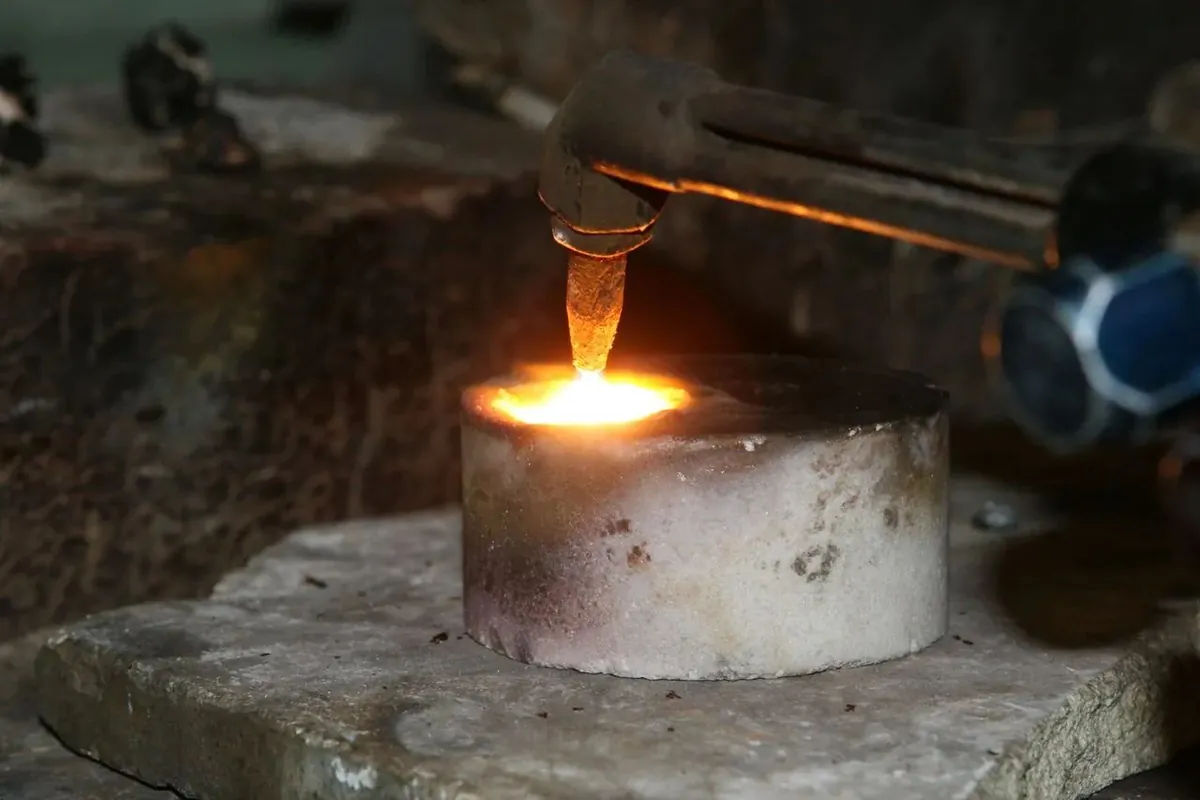
Glass Furnace Energy-Saving Retrofits Accelerate as All-Electric Melting Gains Ground
WeiBeam · Electrode solutions for high-temperature melting
With assessment of the 12th Five-Year Plan energy intensity reduction target approaching and tighter emission constraints across regions, energy-saving retrofits of glass furnaces are clearly speeding up. All-electric furnaces offer high thermal efficiency and low emissions and are spreading from specialty glass to general glass grades; molybdenum electrodes, the core heating component of electric melting furnaces, see demand rising along with the retrofit pace.
Glass melting has long been the largest energy consumer in the glass industry. Much of the energy is wasted in furnace heat loss and in the flue gas from fuel combustion. Entering 2015, with assessment of the 12th Five-Year Plan energy intensity reduction target approaching and tighter constraints on industrial furnace emissions in various regions, furnace energy-saving retrofits became a common choice for many glass producers. Among the many technical routes, the one with the clearest direction is the accelerated penetration of all-electric furnaces from specialty glass into a wider range of applications.
All-Electric Furnaces Show a Clear Thermal Efficiency Advantage
Conventional flame furnaces generally have a thermal efficiency of only 20 to 30 percent, with substantial heat carried away by flue gas and lost through furnace body dissipation. An electric melting furnace works on a completely different principle: current is fed through molybdenum electrodes directly into the resistive glass melt, heat is generated inside the melt, thermal efficiency can usually reach over 70 percent, and there is almost no combustion flue gas at the furnace. Under the dual constraints of energy consumption and emission targets, this gap is enough to push companies toward electric melting, or hybrid fuel-plus-electric boosting, for suitable products.
| Item | Typical value and notes |
|---|---|
| Suitable process | Crystal growth and thermal field components for single-crystal furnaces |
| Standard sizes | Rod diameter Φ20–100 mm, length 150–1500 mm (custom sizes to drawing) |
| Applicable standards | YS/T 1312-2019, Molybdenum Electrodes; molybdenum rod to ASTM B387 / GB/T 17792, molybdenum plate and disc to ASTM B386 / GB/T 3876 |
| Service temperature | About 1300 °C long-term, short-term upper limit about 1600 °C |
From Specialty Glass to General Glass
All-electric melting was first applied to high value-added grades such as quartz glass, borosilicate glass and glass microspheres, because these products use small furnaces, demand high melting quality and cannot tolerate refractory contamination. In recent years the picture has been changing: as power supply reliability improves and peak-valley electricity pricing gradually takes shape, some container glass and insulation glass wool producers have also begun trying fuel-plus-electric boosting, or even partial all-electric retrofits, to gain higher melting rates, stable furnace temperature and lower emissions. The electric furnace is no longer a niche process.
Molybdenum Electrodes Are the Core Component of Electric Furnaces
In a glass melt at 1300 to 1500 °C, only a handful of electrode materials can work stably over the long term. With the combined advantages of resistance to glass melt corrosion, no coloring of the glass and the ability to carry a moderate current density, molybdenum electrodes have become the mainstream choice for glass electric melting furnaces. Common electrode arrangements include:

- Bottom and side-entry electrodes, which carry the heating load of the main melting zone with stable current distribution;
- Top-entry electrodes, used for temperature control in the boosting and refining zones;
- Multiple electrode groups arranged to suit the furnace type and mapped one-to-one to power transformer taps, enabling zoned power control.
How to Run the Retrofit Numbers
For a company considering a retrofit, the electric melting option requires a combined assessment of electricity price, peak-valley structure, electrode life and production loss, not just equipment investment. Industry analysis suggests that the pace of electric furnace retrofits directly affects electrode shipments, and furnace builders and electrode suppliers are forming closer supply relationships. The WeiBeam technical team believes that continued energy-saving policy is a clear industry signal, and that the ability to match electrode life with power supply parameters will be the key to the next round of competition in electric melting.
Frequently asked questions
Why are molybdenum electrodes the core component of electric melting furnaces?
With the combined advantages of resistance to glass melt corrosion, no coloring of the glass and the ability to carry a moderate current density, molybdenum electrodes have become the mainstream choice for glass electric melting furnaces.
How should the retrofit economics be calculated?
Industry analysis suggests that the pace of electric furnace retrofits directly affects electrode shipments, and furnace builders and electrode suppliers are forming closer supply relationships.
Note: this article shares general industry and technical information and is not purchasing, investment or legal advice. Specific parameters and results are governed by the mutual technical agreement and factory inspection records.
Related products
Electrodes and high-temperature molybdenum parts for this duty — specifications and selection notes are on the product pages.
Product information

Glass melting furnace molybdenum electrode
For electric boosting and all-electric melting of container, packaging, pharmaceutical, photovoltaic and electronic glass, compatible with mainstream refractories and furnace designs.
View specifications →
Crystal growth molybdenum electrode
For heating in Czochralski growth furnaces for sapphire, optical crystals and laser crystals; high purity and high-temperature stability.
View specifications →
Quartz and optical glass molybdenum electrode
For quartz, optical and glass-ceramic melting where high purity and high stability are required.
View specifications →