How Molybdenum Electrode Processing Capacity Clusters and Shifts Across Regions
WeiBeam · Electrode solutions for high-temperature melting
A qualitative look at how molybdenum electrode processing capacity clusters geographically, how raw materials, equipment support, equipment utilization and the distribution of the downstream glass industry shape capacity layout, plus a checklist for buyers assessing delivery, packaging and response capability in cross-region supply, and how different capacity models fit different order structures.
Molybdenum electrode processing capacity does not spread evenly. It prefers to sit where raw materials, equipment and customers converge. Observing how that clustering forms, and how it loosens, is often more useful in judging whether a supplier's lead times are credible than reading a brochure.
Where clustering comes from: three process steps pulling on one another
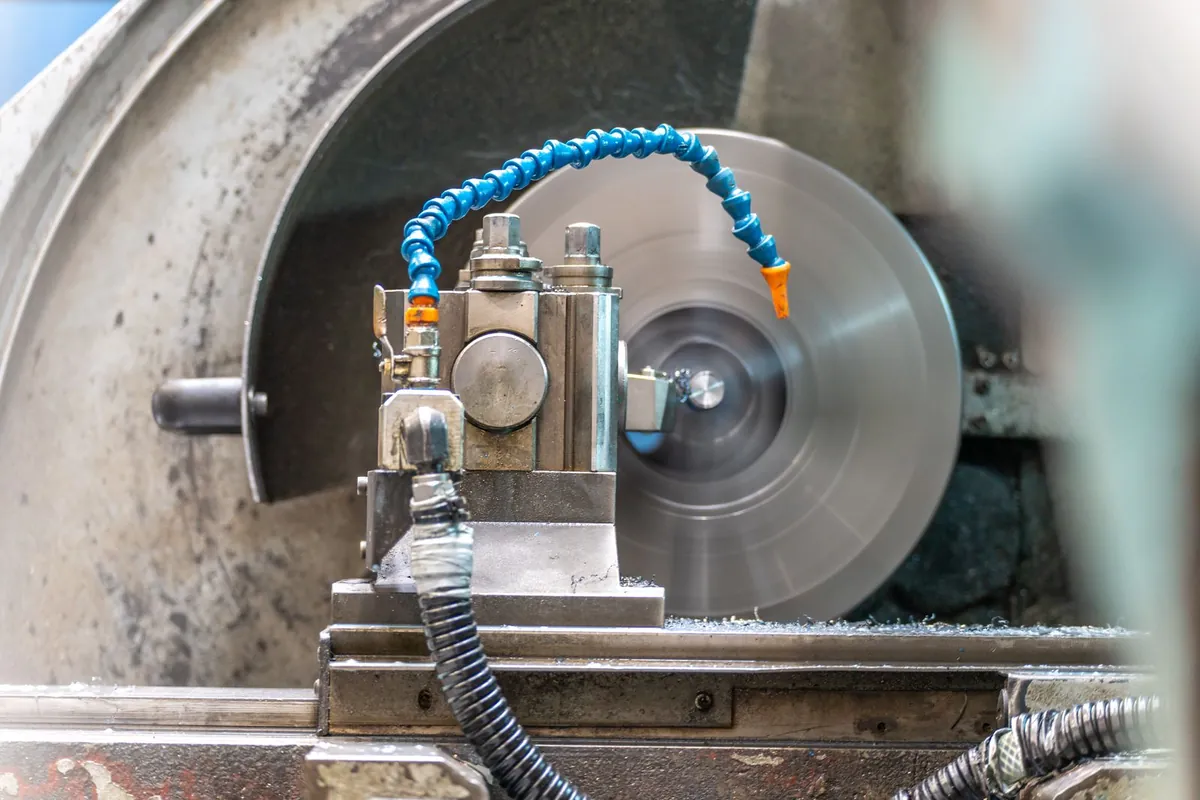
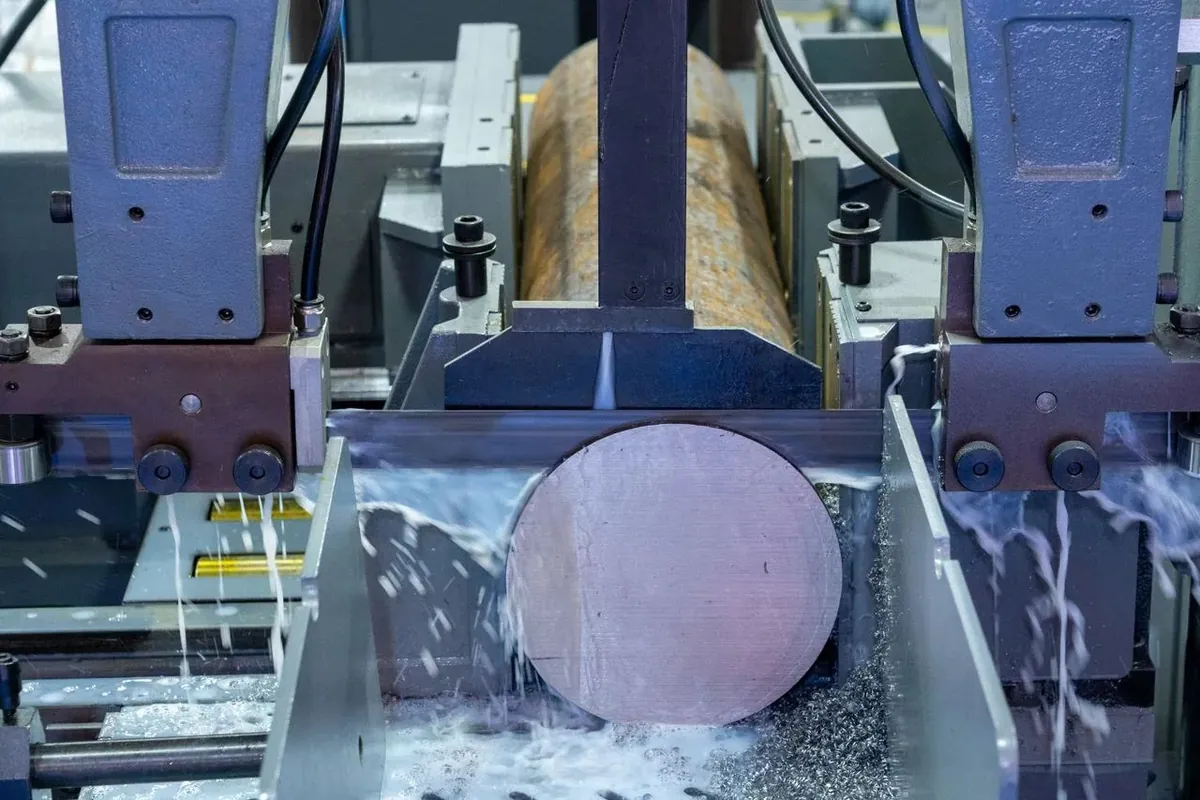
Powder preparation, billet sintering and machining have quite different investment structures. The first two stages are equipment-heavy and only pay off in continuous production; machining relies more on skilled technicians and CNC equipment. When all three sit in one industrial park, billet transfer and rework cost less time; a dispersed layout must absorb the round-trip transport of semi-finished parts, and with it more chances of impact damage and moisture absorption, which amplifies management difficulty.
Two constraints: raw material and equipment
Locating near molybdenum mines or smelting concentrations makes raw material purchasing and transport easier, but the area may not have sufficient downstream processing support; conversely, a region with a good equipment manufacturing and machining base can form a processing cluster even without producing molybdenum, by buying in molybdenum powder or billets. The two paths coexist, so capacity distribution takes both a raw-material-oriented and a support-oriented form, and this also creates differences in cost structure between regions. Our line configuration and process completeness are described in Company Profile and Production Layout.
Equipment utilization also drives clustering. Once a sintering furnace or isostatic press is started, it wants to keep a continuous rhythm. When orders are thin, plants are more willing to take on billet processing for nearby peers, and over time a division of labor emerges: some bases focus on front-end billets, others on back-end machining and inspection.
The distance factor in downstream industries
The users of electrodes are glass furnaces, fiberglass tank furnaces, ceramic fiber lines and vacuum furnaces. As the shipping radius lengthens, packaging and moisture protection requirements rise, and with them the risk of breakage and dampness. When a quality dispute arises, on-site investigation across regions also takes longer. Some processing capacity therefore moves deliberately toward user-dense regions, competing on support services rather than processing alone; this approach is reflected fairly clearly in electrode application solutions organized by industry.
Another variable is environmental and energy constraints. Some regions apply stricter access rules to energy-intensive processes, and approval cycles for new sintering capacity lengthen, so companies tend to expand at existing sites or outsource part of the process, and capacity distribution shifts slowly as a result.
Assessment should also distinguish the nature of the capacity: whether it is in-house sintering and machining, or mainly assembly and outsourcing. The latter offers more delivery flexibility in peak season but depends on partners for consistency control; the former is capital-intensive and carries heavier fixed costs in the off-season. The two models suit different order structures.
A checklist for cross-region purchasing
- Is the billet source stable, and is there a switchable backup supply;
- Are machining and inspection completed at the same plant, and how does rework flow;
- What shipping mode and transit time apply, and does packaging protect against moisture and impact;
- From which base do after-sales and technical staff travel, and how long does it take them to arrive;
- What is the replenishment cycle for the same specification, and are partial deliveries accepted.
The answers to these questions determine the actual experience of cross-region supply. Distance alone is not grounds for rejection, but packaging, acceptance and response deadlines should be spelled out in the contract, and responsibility for handling exceptions should be agreed in advance.
Frequently asked questions
What are the main distance factors affecting downstream industries of molybdenum electrodes?
Some processing capacity therefore moves deliberately toward user-dense regions, competing on support services rather than processing alone; this approach is reflected fairly clearly in electrode application solutions organized by industry.
What exactly does the mutual constraint among the three process steps involve?
When all three steps sit in one industrial park, billet transfer and rework cost less time. A dispersed layout must absorb the round-trip transport of semi-finished parts, and with it more chances of impact damage and moisture absorption, which amplifies management difficulty.
Why do the two constraints of raw material and equipment matter?
The two paths coexist, so capacity distribution takes both a raw-material-oriented and a support-oriented form, and this also creates differences in cost structure between regions. Conversely, a region with a good equipment manufacturing and machining base can form a processing cluster even without producing molybdenum, by buying in molybdenum powder or billets.
Note: this article shares general industry and technical information and is not purchasing, investment or legal advice. Specific parameters and results are governed by the mutual technical agreement and factory inspection records.
Related products
Electrodes and high-temperature molybdenum parts for this duty — specifications and selection notes are on the product pages.
Product information

Fiberglass tank furnace molybdenum electrode
For electric boosting in fiberglass tank furnaces; supports bushing drawing with steadier melting and fiber quality.
View specifications →
Glass melting furnace molybdenum electrode
For electric boosting and all-electric melting of container, packaging, pharmaceutical, photovoltaic and electronic glass, compatible with mainstream refractories and furnace designs.
View specifications →
Ceramic fiber and refractory molybdenum electrode
For electric melting and fiberizing in ceramic fiber, rock wool and refractory fiber resistance furnaces; high-temperature erosion resistance for continuous production.
View specifications →