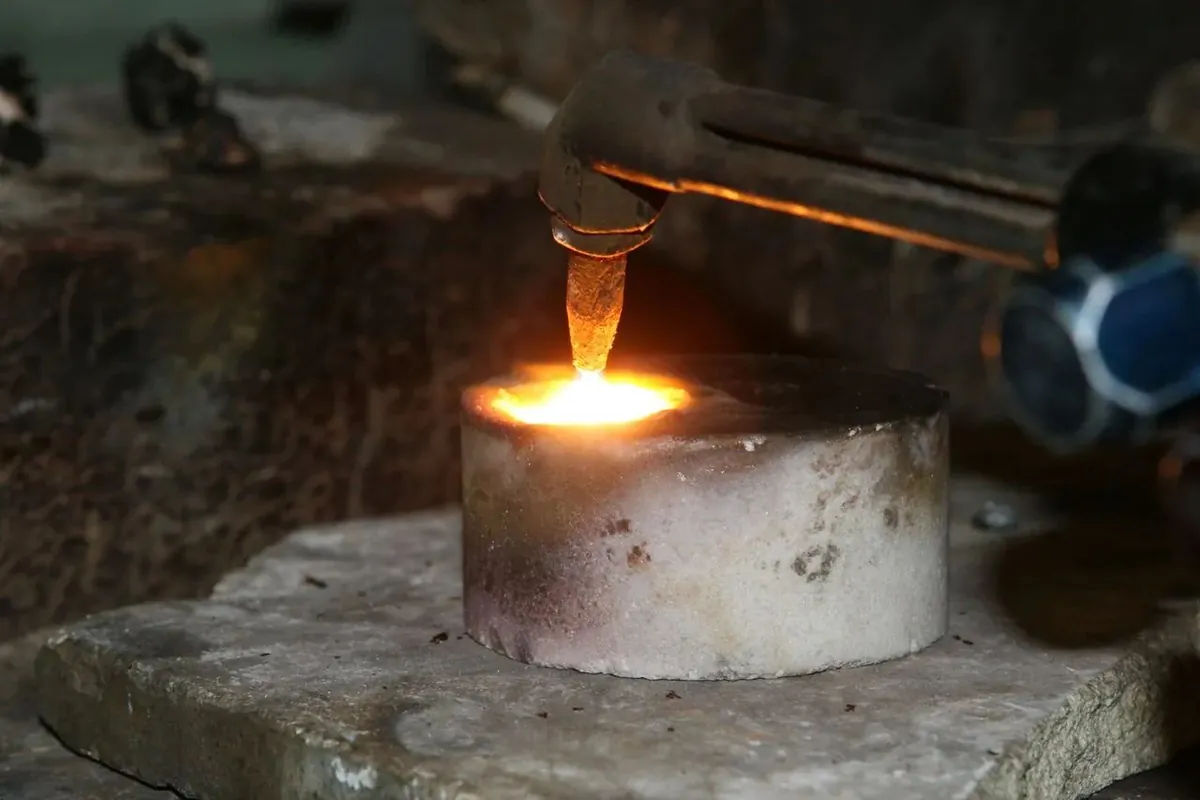
Molybdenum Raw Material Prices Stay Low, Changing the Cost Logic for Molybdenum Electrodes
WeiBeam · Electrode solutions for high-temperature melting
Since 2015, molybdenum raw material prices have remained at multi-year lows, lowering the production cost of molybdenum electrodes, yet downstream glass producers have not seen matching price cuts. With the raw material share falling and the value of processing and quality control rising, the industry's cost and quality logic is being reshaped, and procurement evaluation systems are adjusting accordingly.
Molybdenum is a classic cyclical commodity. Weighed down by weak demand for ferromolybdenum from the steel industry, transaction prices for molybdenum concentrate and intermediate products have generally been at multi-year lows since 2015. For the refractory metals deep-processing industry, cheaper raw material directly lowers the production cost of molybdenum electrodes, but downstream glass and glass fiber producers have found that electrode purchase prices have not fallen sharply in step with molybdenum prices. The reason lies in a subtle change in the cost structure of the electrode product itself.
Raw Material Is Only Part of the Electrode Cost
Industrial molybdenum electrodes use molybdenum powder as raw material and are made through reduction, ammonia reduction, pressing, high-temperature sintering, forging and rolling, machining and other steps. Energy consumption, molds and tooling, quality inspection and labor account for a high proportion, and the raw material share rises and falls with the price cycle. For one sintered and forged electrode, the process energy from powder to finished product often takes a substantial share of manufacturing cost, while the molybdenum powder share drops to a secondary position. When molybdenum prices are high, raw material dominates cost; when prices are low, the value added in electrode processing stands out, and a manufacturer's profit elasticity depends on yield and process control rather than on how much molybdenum powder it has stockpiled.
The Price Cycle Drives a Supply Chain Shakeout
The down cycle is forcing the industry to divide. Some small molybdenum electrode workshops that relied on low-priced orders have exited for lack of business, while manufacturers with integrated powder metallurgy capability are expanding capacity and raising quality. For glass furnace users, buying electrodes in a low-price period is easier on the budget, but the bulk of operating cost lies in electrode life: a batch of inconsistent electrodes can cause repeated furnace shutdowns for replacement, and the loss far exceeds the purchase price difference. More and more users therefore write inspection criteria such as density and oxygen content, along with batch traceability requirements, into purchase contracts. At the same time, the low-price cycle has prompted some users to build stock, shifting procurement from ordering on demand to buying in price bands, which poses a new scheduling challenge for suppliers.

How Users Should View Cost Rationally
- Focus on indicators such as density and oxygen content rather than comparing price per ton alone;
- Review the supplier's batch traceability records and factory consistency inspection reports;
- Include production losses from replacement labor hours and furnace temperature swings in the total cost;
- Watch the recycled material ratio and core structure reports, and beware of low-price traps;
- Build a moderate electrode stock during the low-price cycle to hedge against a later price rebound.
Over the long run, molybdenum prices will rise and fall with the economic cycle, but the structural demand for electrodes in glass, glass fiber and other industries does not change with the cycle. WeiBeam's industry view is that companies able to keep quality stable through a low-price cycle will gain more bargaining power and customer loyalty in the next upcycle.
Frequently asked questions
How should users view cost rationally?
Include production losses from replacement labor hours and furnace temperature swings in the total cost. Over the long run, molybdenum prices will rise and fall with the economic cycle, but the structural demand for electrodes in glass, glass fiber and other industries does not change with the cycle.
What does it mean that raw material is only part of the electrode cost?
For one sintered and forged electrode, the process energy from powder to finished product often takes a substantial share of manufacturing cost, while the molybdenum powder share drops to a secondary position.
Note: this article shares general industry and technical information and is not purchasing, investment or legal advice. Specific parameters and results are governed by the mutual technical agreement and factory inspection records.
Related products
Electrodes and high-temperature molybdenum parts for this duty — specifications and selection notes are on the product pages.
Product information

Fiberglass tank furnace molybdenum electrode
For electric boosting in fiberglass tank furnaces; supports bushing drawing with steadier melting and fiber quality.
View specifications →
Glass melting furnace molybdenum electrode
For electric boosting and all-electric melting of container, packaging, pharmaceutical, photovoltaic and electronic glass, compatible with mainstream refractories and furnace designs.
View specifications →
Ceramic fiber and refractory molybdenum electrode
For electric melting and fiberizing in ceramic fiber, rock wool and refractory fiber resistance furnaces; high-temperature erosion resistance for continuous production.
View specifications →