Can Molybdenum Electrodes Still Be Used After the Packaging Has Taken on Moisture?
WeiBeam · Electrode solutions for high-temperature melting
Condensation inside packaging is not unusual in the rainy season or after a long sea voyage. This article explains how to establish the extent of moisture exposure, how to dry the electrodes and inspect the surface, and how to judge whether to continue using, downgrade or scrap them, so that misapplication is reduced.
In the rainy season or after a long sea voyage, condensation inside the packaging is not unusual. Whether a molybdenum electrode can still be used after taking on moisture depends on the degree of oxidation, the condition of the threads and whether the subsequent treatment is carried out properly; surface color alone is not a sufficient guide.
First Establish the Extent of the Moisture
Check for water droplets on the inner face of the moisture-barrier film, the condition of the desiccant and whether a mist-like film of water sits on the electrode surface. Local condensation and a package that has taken in water are handled differently. If there is standing water inside the packaging, or the electrodes have been in a high-humidity environment for a long period, treat the case with more caution: segregate first, then assess.
Drying and Surface Inspection
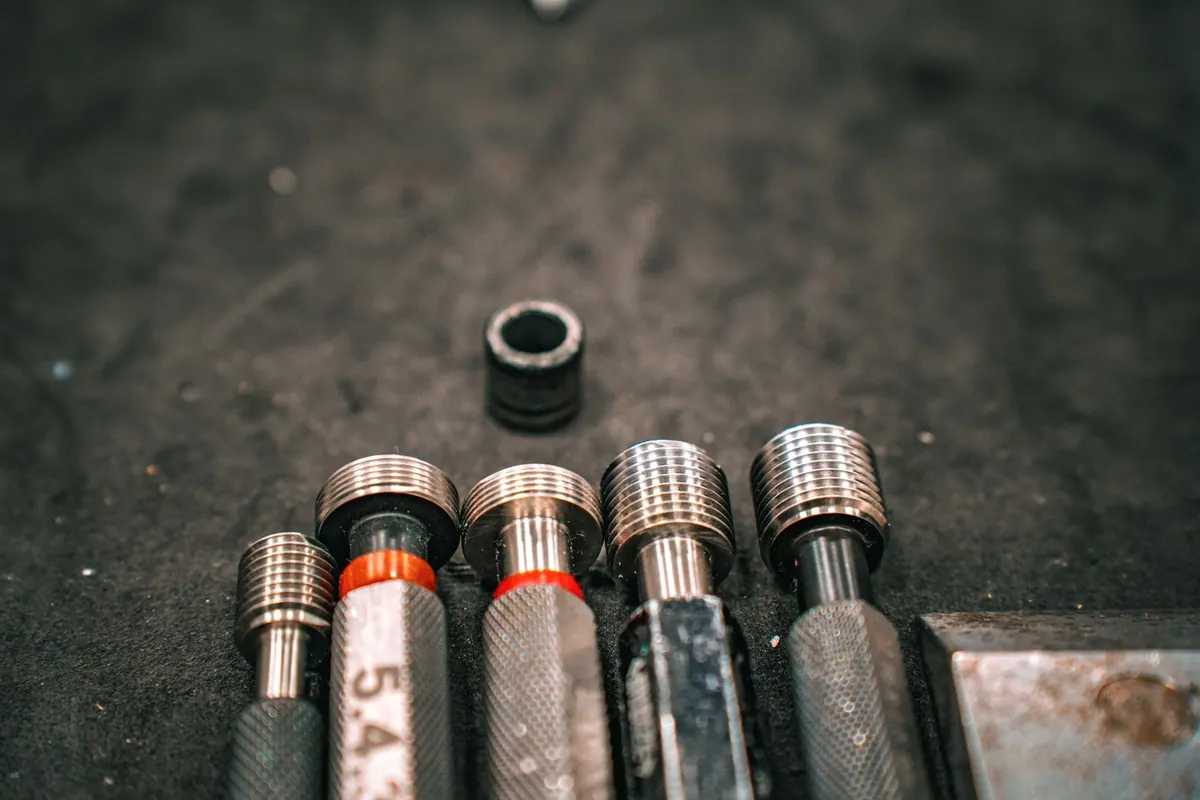
Unpack in a ventilated, dry area, wipe off the droplets and let the electrodes dry naturally. Do not use high-temperature baking to dry them quickly, as this can introduce local stress. After drying, check for oxidation discoloration, pitting and rust on the threads, and clean with a soft cloth where necessary.
Performance Re-check and Service Recommendation
Electrodes with slight surface discoloration can be cleaned and used, but the condition should be recorded and the operating behavior watched. Where the thread fit is obstructed, a clear oxide layer has formed or the dimensions have changed, assess the part for reduced-grade use or scrap. Electrodes for high-purity glass melting demand a higher standard of surface cleanliness and should be treated more conservatively.
Storage After Moisture Exposure
Treated electrodes should be stored in a dry, ventilated place, raised off the floor and kept in moisture-barrier packaging. For parts not used in the short term, add a small amount of desiccant and replace it periodically. Where warehouse humidity is high, install dehumidifying equipment or humidity indicator cards to support routine inspection.
Electrodes with a clear oxide layer, heavily rusted threads, dense surface pitting or changed dimensions should not be used directly for high-purity glass melting. Such electrodes can be assessed for reduced-grade use or routed through the recycling process; label and segregate them beforehand so that they are not drawn in error.
Record the date, treatment method and inspection results of the moisture handling so that electrodes from the same batch can be traced later.
If the electrodes show only slight surface condensation, clean them and run a small trial batch first, watching current and surface condition. Keep samples from the same batch during the trial so that surface condition can be compared.
In high-humidity regions, warehouse dehumidification should be part of routine inspection rather than an emergency measure taken only during the rainy season.
File the treatment records together with the same-batch electrodes for traceability.
Electrode material and surface treatment are covered in the selection guide for this duty; purchasing and technical support contacts are on the high-purity electrode page.
| Parameter | Reference notes |
|---|---|
| Material and purity | Pure molybdenum / lanthanum-doped molybdenum / TZM available; Mo content ≥99.95% |
| Common specifications | Rod diameter Φ20–100mm, length 150–1500mm (custom sizes available to drawing) |
| Applicable standards | YS/T 1312-2019 Molybdenum Electrodes; molybdenum rods per ASTM B387 / GB/T 17792, molybdenum plates and discs per ASTM B386 / GB/T 3876 |
| Quality documentation | Factory inspection covers composition, density, metallography, ultrasonic flaw detection and dimensional tolerance; a quality certificate accompanies each shipment and the batch is traceable |
| Operating temperature | Approximately 1300°C continuous, short-term ceiling approximately 1600°C |
Frequently asked questions
How should the performance re-check and service recommendation be applied?
Electrodes with slight surface discoloration can be cleaned and used, but the condition should be recorded and the operating behavior watched. Electrodes for high-purity glass melting demand a higher standard of surface cleanliness and should be treated more conservatively.
How is the extent of moisture exposure determined?
Local condensation and a package that has taken in water are handled differently. If there is standing water inside the packaging, or the electrodes have been in a high-humidity environment for a long period, segregate first and then assess.
What does drying and surface inspection of molybdenum electrodes involve?
After drying, check for oxidation discoloration, pitting and rust on the threads, and clean with a soft cloth where necessary. Unpack in a ventilated, dry area, wipe off the droplets and let the electrodes dry naturally.
Note: this article shares general industry and technical information and is not purchasing, investment or legal advice. Specific parameters and results are governed by the mutual technical agreement and factory inspection records.
Related products
Electrodes and high-temperature molybdenum parts for this duty — specifications and selection notes are on the product pages.
Product information

Glass melting furnace molybdenum electrode
For electric boosting and all-electric melting of container, packaging, pharmaceutical, photovoltaic and electronic glass, compatible with mainstream refractories and furnace designs.
View specifications →
Molybdenum disc
Circular sheet made from high-purity molybdenum powder by powder metallurgy and rolling; used for furnace heating elements, heat shields, boats and sputtering targets.
View specifications →
Molybdenum rod and shaft
Rod and shaft diameters beyond wire: Ø0.5–25mm drawn or swaged shafts and Ø16–300mm forged or sintered rods, for vacuum electronics, guide rods, electrodes and heating elements.
View specifications →