Glass-Ceramic Applications Expand, With All-Electric Furnaces and Molybdenum Electrodes Taking the Lead
WeiBeam · Electrode solutions for high-temperature melting
Glass-ceramics are mainly based on the lithium aluminosilicate system, with high melting temperatures and strongly corrosive melts, so all-electric furnaces have become a common choice. This article analyzes how lithium-rich melts wear molybdenum electrodes, the design constraints of small furnaces and frequent changeovers, and requirements for current density control and delivery service, for glass-ceramic line operators.
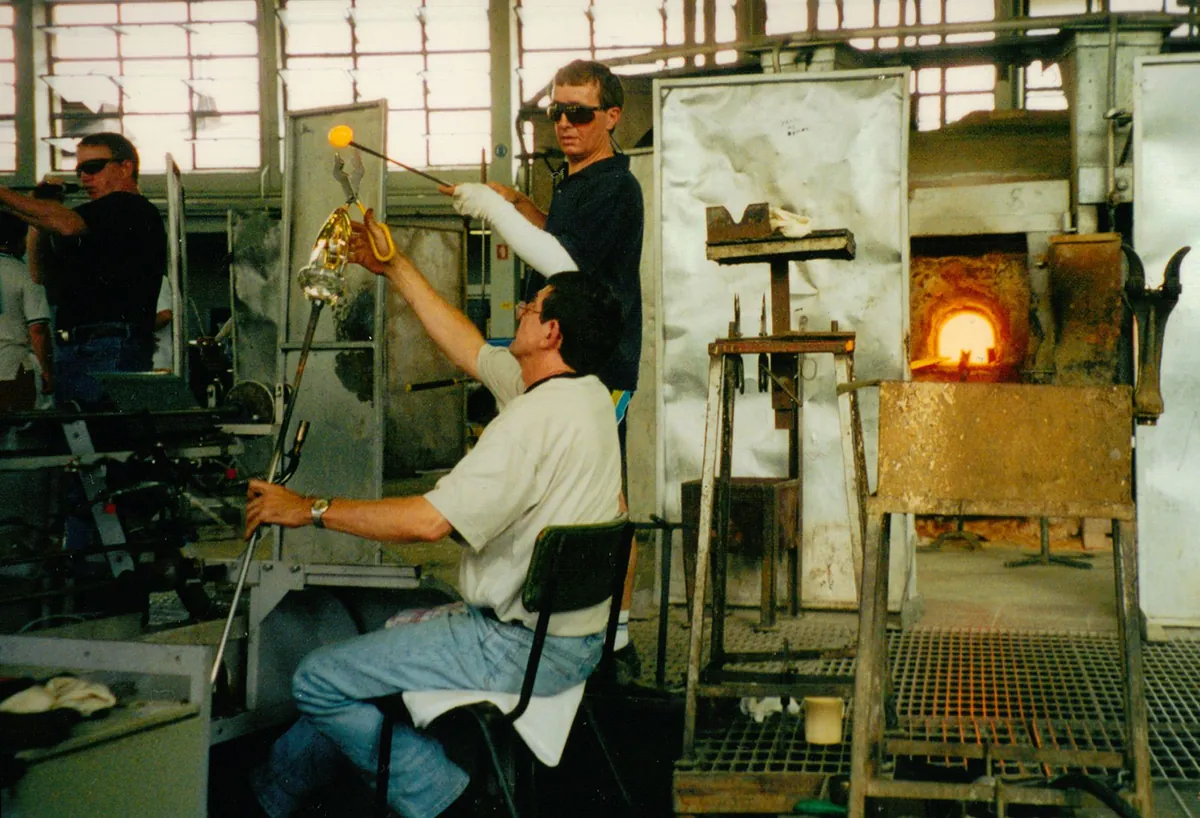
Glass-ceramics gain a fine crystalline structure through controlled nucleation and crystallization, combining the formability of glass with the mechanical properties of ceramics: low porosity, high strength and thermal shock resistance, with applications in cooktop panels, infrared burner plates, industrial wear parts and optical components. Their melting differs greatly from ordinary soda-lime glass, and furnace selection and electrode configuration cannot simply copy the experience of container glass furnaces.
Melting difficulties brought by the lithium aluminosilicate system
The glass phase of most glass-ceramics belongs to the lithium aluminosilicate system, with high melting temperatures and different melt viscosity and surface tension. Lithium-bearing components corrode refractories strongly, and the tank walls and superstructure of flame furnaces are prone to erosion, while spalled refractory particles become impurity nuclei during crystallization and affect nucleation uniformity.
Glass-ceramics require a cleaner glass melt than ordinary glass. Bubbles, striae and unmelted particles are amplified after crystallization, forming color differences, pinholes or mechanically weak zones. The melting stage must therefore control not only temperature but also refractory contamination and atmosphere, which is one reason all-electric melting is favored.
Why all-electric furnaces fit
An all-electric furnace uses molybdenum electrodes immersed in the glass melt as the heat source; heat is generated inside the melt, no combustion space is required, and the tank can be more compact. Small furnaces, fast heating and high temperature control accuracy suit multi-product, small-batch glass-ceramic production. With no combustion products, the influence of atmosphere on the redox state of the melt is also reduced.
Another advantage of electric melting furnaces is that the temperature field can be adjusted by zone. The melting, refining and homogenizing stages of glass-ceramics have different temperature requirements, and zoned power supply keeps each section in its appropriate range. For lines that switch recipes frequently, the ability of small furnaces to heat and cool quickly is more practical than a large tank.
Molybdenum electrode wear in lithium-rich melts
Molybdenum wear in glass melt results from chemical oxidation, electrochemical migration and flow erosion acting together. Lithium-bearing melts are generally more corrosive than ordinary soda-lime glass; the reaction layer formed on the electrode surface is more easily carried away by the flow, fresh metal is continuously exposed, and wear accelerates. Higher temperature amplifies the process further.
| Item | Soda-lime glass | Lithium aluminosilicate glass-ceramic |
|---|---|---|
| Melting temperature tendency | Medium | On the high side |
| Corrosivity to molybdenum electrodes | Moderate | Stronger |
| Recommended current density | Mid-to-upper part of the available range | Lower limit with margin reserved |
| Changeover frequency | Lower | Higher, with multi-product switching |
On applicable standards, electrode products are controlled under YS/T 1312-2019, Molybdenum Electrodes; molybdenum rods follow ASTM B387 / GB/T 17792; molybdenum plate and disc follow ASTM B386 / GB/T 3876, with acceptance based on the quality certificate and measured records.
The tendencies in the table are for concept discussion; specific current density, electrode diameter and power distribution are typical values and reference ranges, and are subject to actual operating conditions and the contract. For lithium-rich recipes, lowering the load per electrode and adding electrodes to share the current is generally more reliable than raising power on a single electrode.
Electrode selection therefore cannot rely solely on experience data from conventional glass. Diameter, count and current density must be recalculated for the corrosivity of lithium-rich recipes, and revised if necessary using data from a pilot furnace or the first campaign, so that ports and power circuits do not need to be adjusted after startup.
Design constraints of small furnaces and frequent changeovers
Electric glass-ceramic furnaces have limited tank depth and width, shallow electrode insertion depth and a short distance between the electrode end and the melt line, concentrating the risk of local overheating. Electrode layout must avoid the strong erosion zones at the batch charging opening and the throat, while ensuring the space needed for installation and replacement.
Multi-product production means the furnace is repeatedly heated up, shut down and switched between recipes. Electrodes and port structures must withstand thermal cycling, and sealing materials and fastening methods must tolerate repeated disassembly. The heating rate after each changeover should be controlled; too fast a ramp creates additional thermal gradient stress between electrode and refractory, and the advantage of low expansion cannot offset operational haste.
Operating details for changeover and heat-up
For multi-product glass-ceramics, changeovers often complete the recipe switch within the same furnace body. Residue from the previous batch affects the nucleation behavior of the next, and incomplete cleaning leads to uneven crystallization and color differences. Glass adhering to electrode surfaces also needs to be removed during the shutdown, so that residue does not react with the electrode after heat-up.
The heat-up curve should be set in stages according to furnace structure and refractory characteristics, with electrode power applied in corresponding steps. Going straight to full power from cold creates a large temperature difference between the electrode end and the port, concentrating thermal stress; too slow a ramp lengthens the changeover cycle and affects delivery. A more workable approach is to divide the heat-up into several stages, stabilizing at each before moving to the next, and recording melt temperature and power for each stage.
The first products after a changeover are usually used for process validation and should not go directly into high-value orders. Recording the defect types of the first batch against electrode operating parameters provides a reference for the next changeover. For lines that change product frequently, these records are more valuable than single-run experience.
Operating control and delivery requirements
During operation, the focus is on keeping current density, melt temperature and glass level within the set ranges. Level fluctuation repeatedly exposes electrodes to the gas-melt interface, accelerating oxidation and corrosion; large power adjustments change the flow field, and short-term local erosion can damage electrodes more than steady operation. We recommend recording current, voltage, cooling water temperature and the corresponding melt temperature for each electrode in the same table so that abnormal trends are easy to spot. Keeping a file for each electrode with commissioning date, maintenance count and replacement reason gives a basis for changeover decisions.
At the procurement and service level, glass-ceramic customers use modest quantities per batch but place high demands on delivery stability, technical responsiveness and batch consistency. Electrode grade, diameter and length tolerances must match the furnace drawings, and surface cleanliness and end machining should be written into the technical agreement. For multi-product lines, informing the supplier of the changeover plan in advance allows spares and technical support to keep pace.
Frequently asked questions
What aspects do the design constraints of small furnaces and frequent changeovers cover?
The heating rate after each changeover should be controlled; too fast a ramp creates additional thermal gradient stress between electrode and refractory, and the advantage of low expansion cannot offset operational haste.
What do the operating details of changeover and heat-up include?
Too slow a ramp lengthens the changeover cycle and affects delivery. A more workable approach is to divide the heat-up into several stages, stabilizing at each before moving to the next, and recording melt temperature and power for each stage. The heat-up curve should be set in stages according to furnace structure and refractory characteristics, with electrode power applied in corresponding steps.
What generally causes molybdenum electrode wear in lithium-rich melts?
Lithium-bearing melts are generally more corrosive than ordinary soda-lime glass; the reaction layer formed on the electrode surface is more easily carried away by the flow, fresh metal is continuously exposed, and wear accelerates.
Note: this article shares general industry and technical information and is not purchasing, investment or legal advice. Specific parameters and results are governed by the mutual technical agreement and factory inspection records.
Related products
Electrodes and high-temperature molybdenum parts for this duty — specifications and selection notes are on the product pages.
Product information

Glass melting furnace molybdenum electrode
For electric boosting and all-electric melting of container, packaging, pharmaceutical, photovoltaic and electronic glass, compatible with mainstream refractories and furnace designs.
View specifications →
Fiberglass tank furnace molybdenum electrode
For electric boosting in fiberglass tank furnaces; supports bushing drawing with steadier melting and fiber quality.
View specifications →
Molybdenum disc
Circular sheet made from high-purity molybdenum powder by powder metallurgy and rolling; used for furnace heating elements, heat shields, boats and sputtering targets.
View specifications →