Potential Demand for Refractory Metals in Hydrogen Equipment
WeiBeam · Electrode solutions for high-temperature melting
Starting from the high-temperature components of hydrogen production, storage and hydrogen metallurgy equipment, this article discusses where tungsten and molybdenum materials might fit in reducing atmospheres and the limits set by oxidation and hydrogen embrittlement, notes that material compatibility still needs experimental verification, and sets out a sequence from small-sample exposure to component-level testing. Conclusions must be confirmed item by item for the actual service conditions.
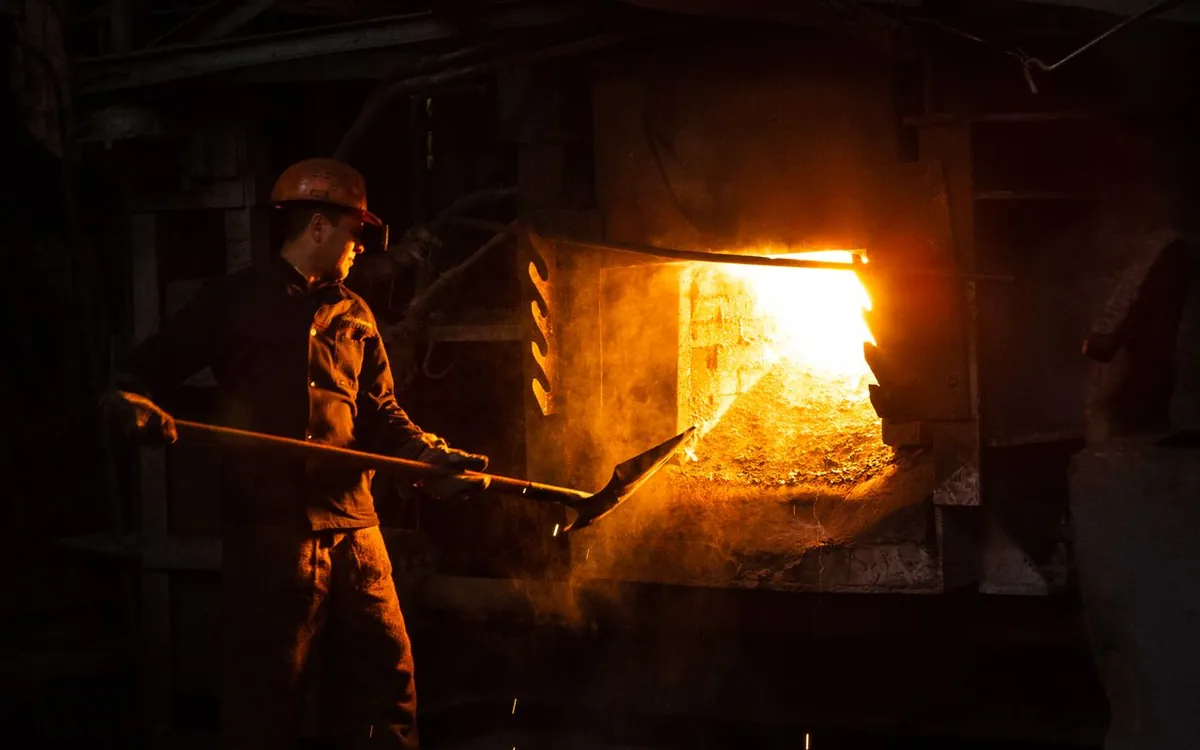
The high-temperature steps in the hydrogen value chain are not numerous, but they are concentrated in hydrogen production and hydrogen metallurgy. Reformer tubes for hydrogen production, support structures for high-temperature electrolysis and the internals of hydrogen-based shaft furnaces all face the combined conditions of high temperature and a hydrogen atmosphere. Tungsten and molybdenum materials are often mentioned in such discussions, and most of them are still at the validation stage.
High-Temperature Components in Hydrogen Production
Steam reforming runs at relatively high temperature and pressure, and the reformer tubes sit for long periods in an oxidizing and carburizing environment, so heat-resistant alloys are normally used. Molybdenum has insufficient oxidation resistance and is not suitable for direct exposure to oxygen-containing process gas; it can be considered only under oxygen-isolated conditions, for example as a heat shield, a support or a thermal-field reflector. Treating it as a replacement for reformer tubes overstates its performance limits.
The support structures of high-temperature electrolysis operate in an environment that alternates between oxygen and hydrogen, so material selection depends more on the specific structure. If molybdenum parts are exposed to air only during shutdown and maintenance, the risk differs completely from continuous exposure, and the protective measures and inspection frequency should be adjusted accordingly.
Material Compatibility in Hydrogen Storage and Transmission
Hydrogen diffusing in metals can cause embrittlement, and the extent depends on the material, temperature, pressure and surface condition. Molybdenum and tungsten are relatively less sensitive to hydrogen-induced embrittlement, but weld joints, coating interfaces and work-hardened layers can become weak points and need experimental data to support them. For pressure-retaining components, the material assessment required by the codes cannot be omitted.
Pressure rating is a condition that cannot be avoided. Pressure-retaining components are governed by design codes, and material assessment, welding procedure and non-destructive testing all follow established procedures; if refractory metals are to enter this field, qualification must be completed first rather than trial use on equipment.
Furnace Internals in Hydrogen Metallurgy
Hydrogen-based direct reduction runs at a lower temperature than conventional ironmaking, but the atmosphere is strongly reducing, so furnace internals are more concerned with high-temperature strength, resistance to sticking and thermal shock stability. Molybdenum alloys can be used in localized high-temperature zones, provided that atmosphere isolation and structural support are properly handled to avoid contact with oxygen-containing gas. In retrofit projects, limited space often becomes a constraint earlier than temperature.
Cost structure also determines the pace of application. Molybdenum parts carry a high unit price and a large machining allowance; if the replacement interval cannot be extended significantly, the overall economics are hard to justify. Reducing the used area in the high-temperature zone and substituting only at critical locations is a route that is easier to implement.
The Validation Route from Potential Demand to Engineering Application
- Confirm the gas composition, temperature range and number of cycles;
- Run small-sample exposure tests and observe weight gain, weight loss and surface morphology;
- Assess the stability of joints and coatings in a hydrogen environment;
- Carry out component-level thermal cycling and leak-tightness tests;
- Establish failure criteria and replacement intervals rather than a single validation.
Test samples should be kept with a control from the same batch so that material changes can be distinguished from process fluctuations, and a single short-term test should not be used in place of a long-term judgment.
Material selection for hydrogen equipment still relies mainly on mature heat-resistant alloys; the opportunity for refractory metals lies in localized high-temperature, space-constrained positions or where low vapor pressure is required. Stating the applicable scope clearly helps a project move forward better than exaggerating its prospects. The behavior of high-temperature materials in reducing atmospheres is worth evaluating early in design, and company and R&D information can be found in the company profile.
Frequently asked questions
Which steps does the route from potential demand to engineering application involve for molybdenum electrodes?
Establish failure criteria and replacement intervals rather than carrying out a single validation. Material selection for hydrogen equipment still relies mainly on mature heat-resistant alloys; refractory metals have opportunities in localized high-temperature positions, space-constrained locations or where low vapor pressure is required.
What are the high-temperature components in hydrogen production?
Treating molybdenum as a substitute for reformer tubes overstates its performance limits. The support structures of high-temperature electrolysis operate in an environment that alternates between oxygen and hydrogen, so material selection depends more on the specific structure.
What does material compatibility for hydrogen storage and transmission cover?
For pressure-retaining components, the material assessment required by the codes cannot be omitted. Pressure-retaining components are governed by design codes, and material assessment, welding procedure and non-destructive testing all follow established procedures; if refractory metals are to enter this field, qualification must be completed first rather than trial use on equipment.
Note: this article shares general industry and technical information and is not purchasing, investment or legal advice. Specific parameters and results are governed by the mutual technical agreement and factory inspection records.
Related products
Electrodes and high-temperature molybdenum parts for this duty — specifications and selection notes are on the product pages.
Product information

Rare-earth electrolysis molybdenum electrode
For high-temperature molten-salt electrolysis of rare-earth metals; good conductivity, molten-salt erosion resistance and stable cell operation.
View specifications →
Glass melting furnace molybdenum electrode
For electric boosting and all-electric melting of container, packaging, pharmaceutical, photovoltaic and electronic glass, compatible with mainstream refractories and furnace designs.
View specifications →
Fiberglass tank furnace molybdenum electrode
For electric boosting in fiberglass tank furnaces; supports bushing drawing with steadier melting and fiber quality.
View specifications →

