Henan Molybdenum Electrodes: Molybdenum Resources Upstream, Glass Orders Midstream
WeiBeam · Electrode solutions for high-temperature melting
Henan's glass scale is moderate but its molybdenum processing base is deep, and electrode consumption spans glass and high-temperature processing. The article breaks down the category mix, compares furnace types in Luoyang and Ruyang with Anyang and Shangqiu, explains why finished electrodes still have to be sourced outside the province, and provides selection guidance, a reference cost structure, logistics lead times and annual framework stocking advice.
Henan's glass base is not large: operating float capacity across Luoyang, Anyang and Shangqiu totals about 4,000 t/d, photovoltaic glass about 3,000 t/d, and the one-furnace-six-line project in Ruyang carries the province's main photovoltaic share. Looking upstream to resources, the picture is entirely different: the province's molybdenum concentrate output is about a quarter of the national total, with about 2,949 tons of molybdenum produced in August 2026. At one end is the mine, at the other the furnace, with processing and service in between; the basic shape of the province's electrode market is determined by that distance.
Resources Upstream, Orders Midstream
Broken down by category, consumption within glass itself is not concentrated; cross-industry high-temperature demand instead approaches 40%. Container glass comes from bottle and tableware furnaces in Shangqiu, Zhoukou and Nanyang; pharmaceutical glass is concentrated in borosilicate and soda-lime vial and tube lines in Xinxiang and Jiaozuo; photovoltaics are mainly in Ruyang; the float electric boosting ratio is not high; fiberglass is limited in scale; the remainder goes to crucibles, sapphire, refractories and metallurgical heat treatment.
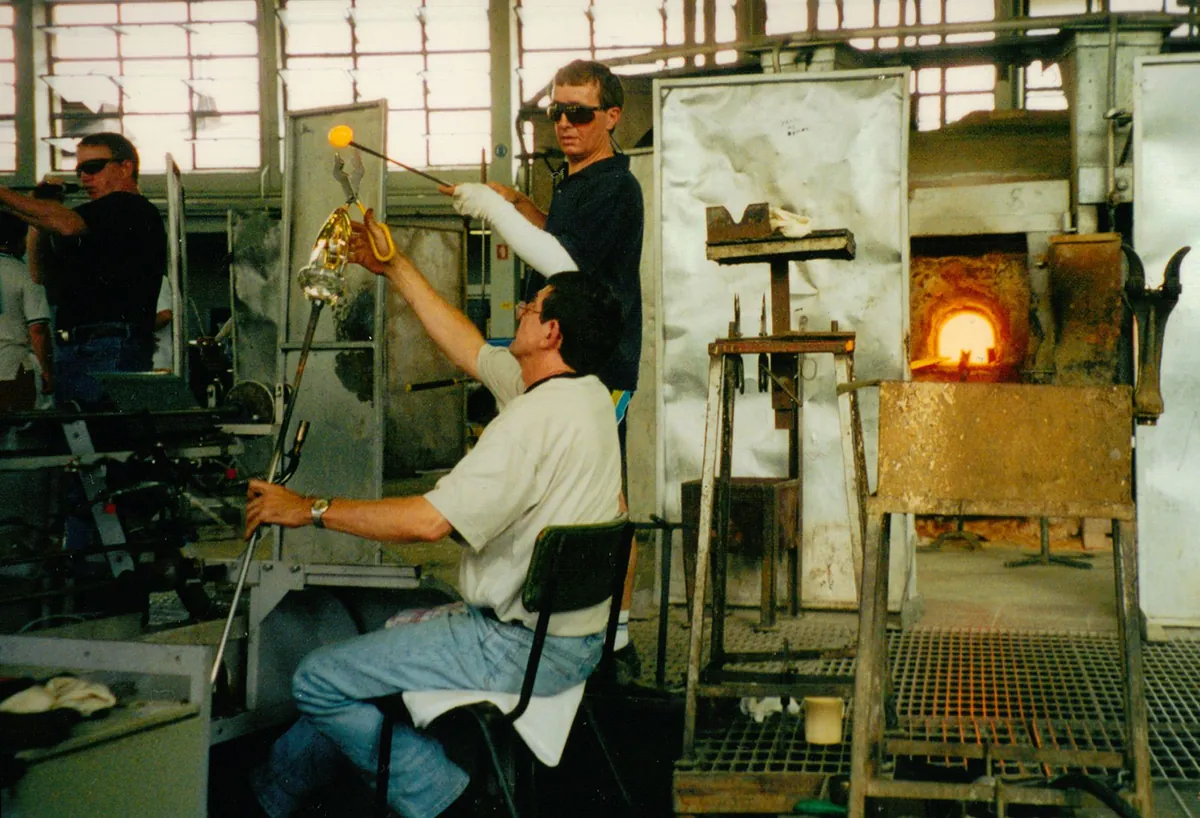
The province's electric melting penetration is about 36%, a mid-level figure for central China; electric boosting and flame heating coexist in the same furnace, and electrodes work under fluctuating load for long periods. This is also an easily overlooked point in selection: a mid-range penetration rate means that the same furnace has both fully loaded electric boosting zones and zones heated essentially by flame, so the variation in working conditions is greater than it appears.
Luoyang and Ruyang: Float, Photovoltaic and Molybdenum Processing Combined
Luoyang is where the province's glass industry and molybdenum processing meet. Float lines are laid out along the Longhai railway, with architectural glass as the main product and relatively complete deep processing support; on the molybdenum side, companies cover everything from powder and bars to plates and electrode blanks, blanks are supplied locally, transport losses are low, and lead times are more stable than cross-province purchasing. Technical R&D resources are relatively concentrated here, with counterparts available for furnace design, process commissioning and material testing.
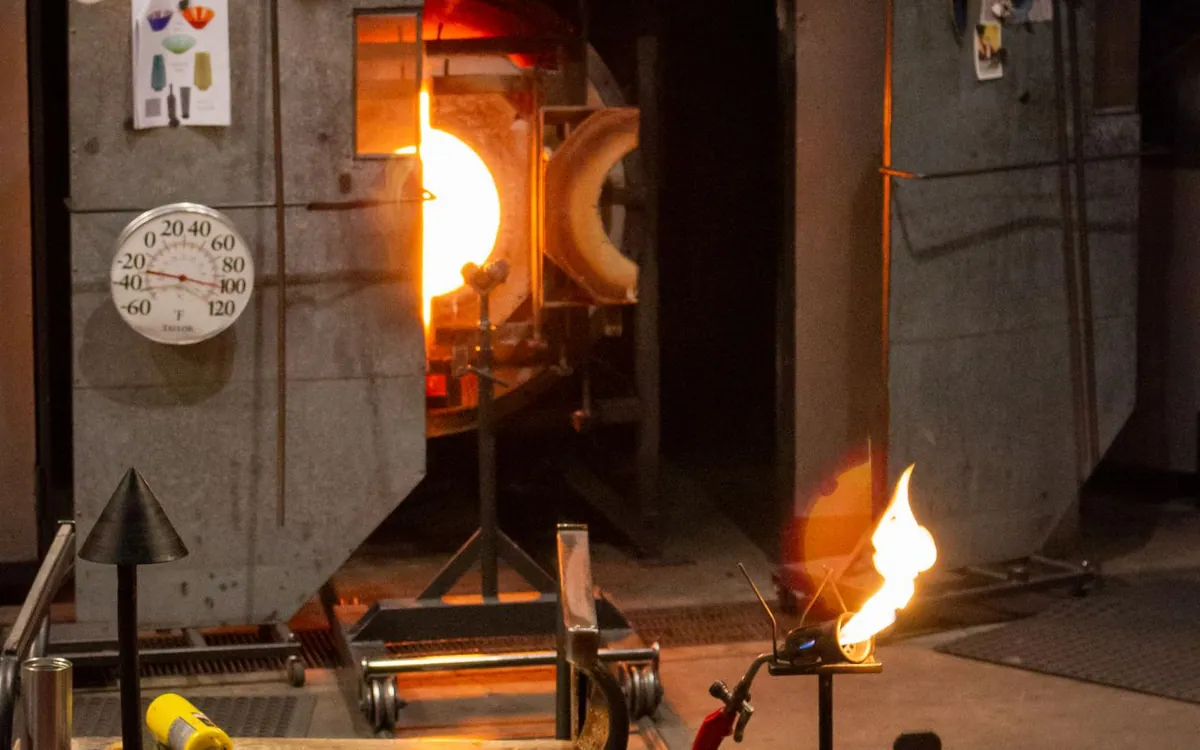
Ruyang is the other pole for photovoltaics. The one-furnace-six-line project focuses on ultra-clear rolled glass, with furnaces mostly in the 600-1,200 t/d range and an electric boosting ratio above the provincial average, placing demands on electrode density and erosion resistance. Ruyang is about an hour's drive from Luoyang, so blanks and technical service can be handled within a day trip, a real advantage for local supply.
But a blank advantage is not the same as a finished product advantage. Finished glass furnace electrodes require forging, rolling, machining, polishing and flaw detection to drawings, plus threads, clamps and water-cooling structures; it is a small-batch, multi-specification, service-intensive category. Local companies are familiar with high-volume standardized production, and the two logics are not the same, which explains why a considerable proportion of finished electrodes is still brought in from outside the province.
Prices are therefore tight. Processing companies in Luoyang and Xinxiang are close to the market and often quote near cost, so price-only comparisons rarely create much separation. What is left open is service: how to configure the furnace thermal field, who supervises on-site installation, how to review a failure afterwards. Local supply is still thin in these areas, and these are precisely the parts customers are willing to pay for.
Anyang, Shangqiu and Northern and Southern Henan: Furnace Type Differences and Customer Types
On the Anyang side, electronic glass and photovoltaic lines have forehearth heating that is more sensitive to electrode dimensions. Forehearth space is tight and temperature zoning is fine, so electrode diameters are mostly 30-50 mm, and polished delivery is not uncommon, with no oxidation color or impact marks allowed on the surface. Such customers buy in modest batches but demand high batch consistency, and the cost of switching suppliers is also high.
Shangqiu and Zhoukou are dominated by container glass, with bottle and jar furnaces mostly at 100-300 t/d. These formerly used producer gas and have been converted to natural gas or all-electric melting in recent years. After conversion the furnace power structure changed markedly: electric boosting went from a supplementary means to the main heat source, installed electrode counts increased, and load per electrode rose. Such customers are price-sensitive, order frequently and in small quantities, and a supplier without stable spot-goods organization will struggle to serve them well.
Pharmaceutical and heat-resistant glass in Xinxiang and Jiaozuo follows a different rhythm. Borosilicate furnaces run hot and are sensitive to erosion, electrode replacement intervals are relatively fixed, and customers are used to annual framework purchasing with few specification changes. Such orders suit long-term agreements, and price fluctuations can be absorbed through adjustment clauses.
One more supply relationship deserves attention: refractories capacity in Xinmi and Zhengzhou is considerable. Fused cast zirconia-alumina and sintered corundum bricks are in direct contact with electrodes inside the furnace, and whether their thermal expansion matches directly affects how long the furnace can run. Materials are available in the same city, so local companies are in a position to quote electrodes, molybdenum crucibles, orifices and refractory bricks together as one furnace thermal field. Solving several components in a single shutdown is worth far more than selling a single electrode.
To make this packaged model work, the shortfall is not in supply but on site. The strength of coastal suppliers is resident factory service and uninterrupted technical records; if local companies can close that gap, out-of-province orders will follow.
Selection and Specification Recommendations
Float furnace electric boosting ratios are mostly 5%-10%, with electrode diameters commonly 60-75 mm and length determined by bath depth and installation method; photovoltaic furnaces have higher electric boosting ratios, so grades with better erosion resistance are recommended, and 75-100 mm diameters are more common; electronic glass forehearths use small-diameter polished electrodes, with diameter tolerance and straightness controlled to tighter ranges. The above are typical values; actual working conditions and contracts prevail.
- Specify by position: temperature and flow rate differ greatly at the refining zone, waist and orifice, so one specification should not be applied throughout a single furnace; a position-by-position list reduces premature failures.
- Set power by fuel: natural gas furnaces and all-electric furnaces have different heat load distributions, so electrode layout and per-electrode power must be adjusted accordingly, and converted furnaces especially need recalculation.
- Define interfaces by ancillaries: dimensions of threads, clamps and water-cooling jackets should be confirmed at the drawing stage, and conversion projects should also verify existing power supply capacity and busbar layout.
- Package by thermal field: when purchasing electrodes, crucibles and orifices together, write materials and expansion coefficients into the technical agreement to reduce rework during assembly.
Buyers may first settle three things: furnace tonnage, fuel structure and electric boosting ratio, use them to define the specification range, then ask suppliers for operating records under the same conditions for comparison. If a single shutdown involves replacing electrodes, orifices and crucibles at the same time, prioritize a manufacturer that can supply them as a package; coordination costs will be considerably lower. Product structure and interface details can be found in the notes on glass furnace molybdenum electrodes.
Reference Cost Structure
Henan has an advantage on the raw material side: molybdenum powder and blanks can be purchased locally, saving a leg of freight, but the share of processing and inspection for finished electrodes does not fall as a result. The table below shows reference ranges for standard specifications, for budgeting only; actual values are subject to quotation and contract.
| Cost item | Reference share | Main factors |
|---|---|---|
| Raw materials (molybdenum powder, bars, blanks) | 50%-60% | Close local supply, low freight share, linked to molybdenum prices |
| Processing (forging, rolling, machining) | 18%-24% | Upper end for polished and profiled parts |
| Testing (density, flaw detection, composition) | 3%-5% | Higher when every electrode is inspected |
| Packaging and logistics | 4%-7% | Short intra-province runs; higher for cross-province orders |
| Management and service | 5%-8% | Includes allocation of thermal field design and on-site guidance |
Inspection and acceptance criteria for the above: electrode products are controlled under YS/T 1312-2019 'Molybdenum Electrodes', molybdenum rods per ASTM B387 / GB/T 17792, molybdenum plates and discs per ASTM B386 / GB/T 3876; a quality certificate accompanies each shipment and batches are traceable.
Local price competition certainly exists, but clear technical terms prevent more problems later than squeezing the unit price. This is especially true for converted furnaces, where electrode specifications often change with furnace structure; the machining cost saved up front may be repaid at the first replacement.
Supply Radius and Typical Logistics Lead Times
Zhengzhou's role as a rail and road hub gives Henan's electrode supply radius coverage of most central provinces. Distances between clusters within the province are short; for cross-province shipments, rail services plus road connection are the main mode, and full-truckload direct shipping suits urgent orders.
| Shipping point | To Zhengzhou | To Anyang | To Shangqiu | To Nanyang | Notes |
|---|---|---|---|---|---|
| Luoyang | About 1 day | About 1-2 days | About 1-2 days | About 1-2 days | Short intra-province run; same-day delivery to some areas |
| Zhengzhou transfer | Same day | About 1 day | About 1 day | About 1 day | Road connection after rail arrival |
| Xinxiang | About 1 day | About 1 day | About 2 days | About 2 days | Suitable for consolidation to northern and eastern Henan |
| Into Henan from other provinces | About 2-3 days | About 2-3 days | About 3 days | About 3 days | Mainly from Shaanxi and Jiangsu |
Lead times are reference values for normal transport; actual times depend on carrier arrangements and weather. In winter, when northern Henan roads see rain or snow, allow one to two extra days in the arrival window. Large electrodes need lifting equipment for handling, and confirming the site with the consignee before shipping matters more than confirming the time.
Replacement and Maintenance Rhythm
Float furnace electric boosting electrodes are mostly replaced as a full set during cold repairs, with cold repair cycles often six to eight years; photovoltaic furnaces run at high temperature and local electrode replacement intervals are shorter; small and medium container glass furnaces are affected by conversion schedules, with irregular replacement timing that often coincides with furnace maintenance; borosilicate furnaces in pharmaceutical glass are relatively fixed and follow an annual plan.
For maintenance, invest effort in records and inspections. Each electrode's installation position, batch, cumulative operating hours and reason for replacement should be kept on file; record current, voltage and clamp temperature rise monthly, and check cooling water return temperature and flow quarterly. For converted furnaces, inspect more frequently in the first three months of operation, because the new thermal field distribution is not yet stable and electrode load may exceed design expectations.
Common Failure Modes and Prevention
- Oxidation loss: the exposed section above the melt line degrades quickly in an oxygen-containing atmosphere; shortening the exposed length or adding protective measures alleviates it.
- Thermal shock cracking: occurs readily in converted furnaces when heating is too fast or power changes abruptly; staged load increases following a heating curve are an effective remedy.
- End erosion: ends thin faster in photovoltaic furnaces and high-flow orifices; measure remaining length regularly and schedule replacement in advance.
- Rising contact resistance: oxidized clamps or insufficient torque cause temperature rise; regular cleaning and re-tightening prevent it.
- Melt leakage at brick holes: improper installation clearance lets glass melt infiltrate; check the fit between brick hole and electrode during shutdowns.
Failure diagnosis should not rely on the fracture surface alone. Putting power curves, shutdown records and water quality data together often reveals the real cause.
Stocking and Annual Framework Recommendations
Set safety stock for common specifications at three to five months of consumption, and lock long-lead specifications four to six months in advance for conversion furnaces and cold repair projects. Local supply in Henan is ample, but delivery of finished electrodes is still constrained by processing schedules, so avoid the capacity gap around the Spring Festival.
An annual framework can be designed this way: group annual consumption by category, agree price adjustment mechanisms and delivery windows, and consolidate non-standard specifications into a few sizes; at the same time require suppliers to provide operating records under the same conditions and failure analysis reports as the basis for next year's selection. For cross-province customers, converting logistics costs into the delivered price before comparing gets closer to the true cost than looking at the quote alone.
Note: capacity, consumption, price and other data in this article are compiled from public sources and industry exchanges; statistical definitions and timeliness may change. They are for industry reference only and do not constitute a basis for procurement or investment. Official information released by competent authorities and enterprises prevails.
Frequently asked questions
Which of the common failure modes and prevention measures for molybdenum electrodes is most easily overlooked?
Oxidation loss: the exposed section above the melt line degrades quickly in an oxygen-containing atmosphere; shortening the exposed length or adding protective measures alleviates it. Thermal shock cracking: occurs readily in converted furnaces when heating is too fast or power changes abruptly; staged load increases following a heating curve are an effective remedy.
What does resources upstream, orders midstream specifically involve?
The province's electric melting penetration is about 36%, a mid-level figure for central China. This is also an easily overlooked point in selection: a mid-range penetration rate means that the same furnace has both fully loaded electric boosting zones and zones heated essentially by flame, so the variation in working conditions is greater than it appears.
How should the stocking and annual framework recommendations for molybdenum electrodes be implemented?
Local supply in Henan is ample, but delivery of finished electrodes is still constrained by processing schedules, so avoid the capacity gap around the Spring Festival. An annual framework can be designed this way: group annual consumption by category, agree price adjustment mechanisms and delivery windows, and consolidate non-standard specifications into a few sizes.
Note: this article shares general industry and technical information and is not purchasing, investment or legal advice. Specific parameters and results are governed by the mutual technical agreement and factory inspection records.
Standards note: electrodes are controlled to YS/T 1312-2019 Molybdenum Electrodes; molybdenum rods to ASTM B387 / GB/T 17792; molybdenum plate and discs to ASTM B386 / GB/T 3876. Parameter ranges in this article summarise public technical data and engineering practice — actual values vary with furnace conditions and are governed by the technical agreement and inspection records.
Related products
Electrodes and high-temperature molybdenum parts for this duty — specifications and selection notes are on the product pages.
Product information

Glass melting furnace molybdenum electrode
For electric boosting and all-electric melting of container, packaging, pharmaceutical, photovoltaic and electronic glass, compatible with mainstream refractories and furnace designs.
View specifications →
Molybdenum crucible
Molybdenum crucibles for sapphire growth, vacuum sintering and high-temperature melting; heat and melt-erosion resistant, sized to the furnace.
View specifications →
Molybdenum stream mouth
Discharge nozzle at the end of fiberglass and aluminosilicate fiber forehearths; water-cooled or water-free oxidation protection, high-temperature and anti-clogging, custom to furnace drawings.
View specifications →