WeiBeam Launches New Molybdenum Electrode Series Covering More High-Temperature Melting Applications
WeiBeam · Electrode solutions for high-temperature melting
WeiBeam has released a new generation of high-performance molybdenum electrodes covering glass melting furnaces, ceramic fiber, glass fiber, rare-earth electrolysis and crystal growth, with specialty manufacturing processes and a complete electrode solution from selection to delivery.
WeiBeam has officially released a new generation of high-performance molybdenum electrode products. Building on the existing electrodes for glass melting furnaces, the series now also covers ceramic fiber, glass fiber, rare-earth electrolysis, crystal growth and other high-temperature melting duties, offering matched electrode configurations for different furnace designs and power supply systems.
Key upgrades in the new series
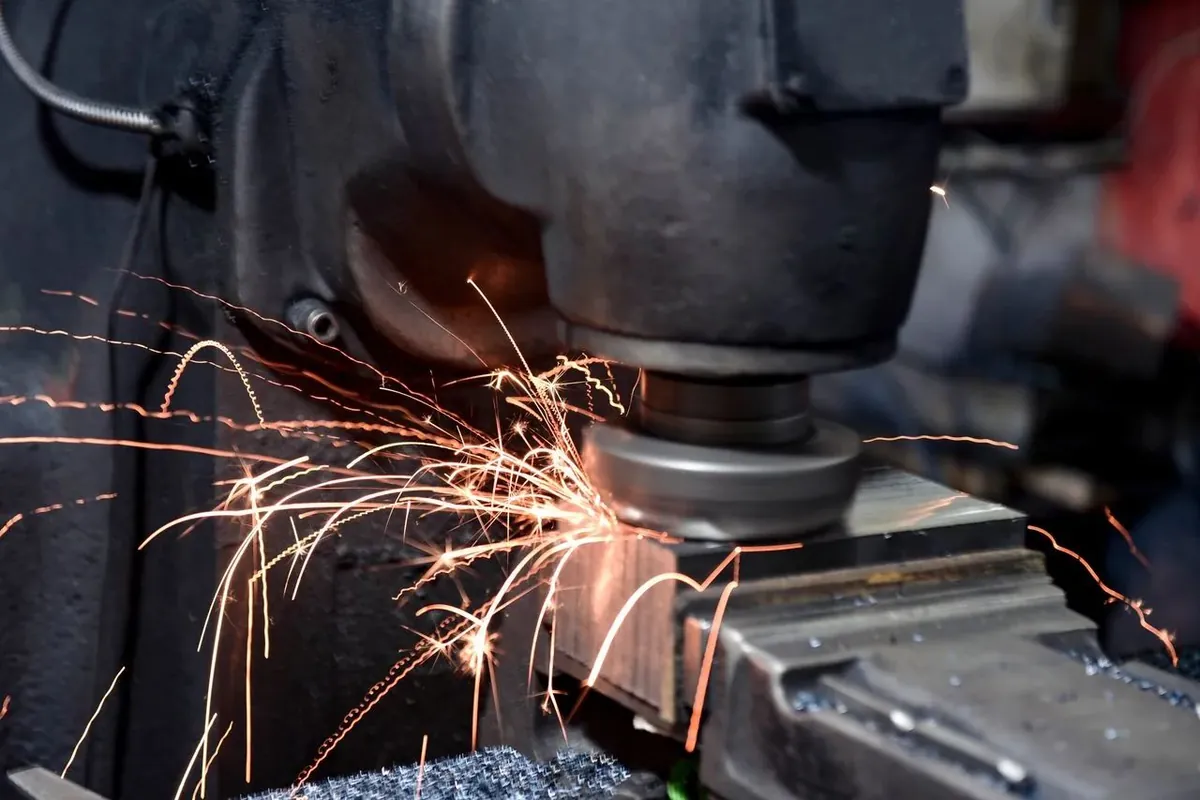
- Denser microstructure: optimized manufacturing gives a more uniform electrode structure, improving thermal shock resistance and melt corrosion resistance together;
- Full size coverage: bar, plate, rod and threaded electrodes are all available, with special dimensions custom-made to the duty;
- Batch consistency: inspection from incoming raw material through to finished goods, so deliveries are stable and traceable.
Typical applications

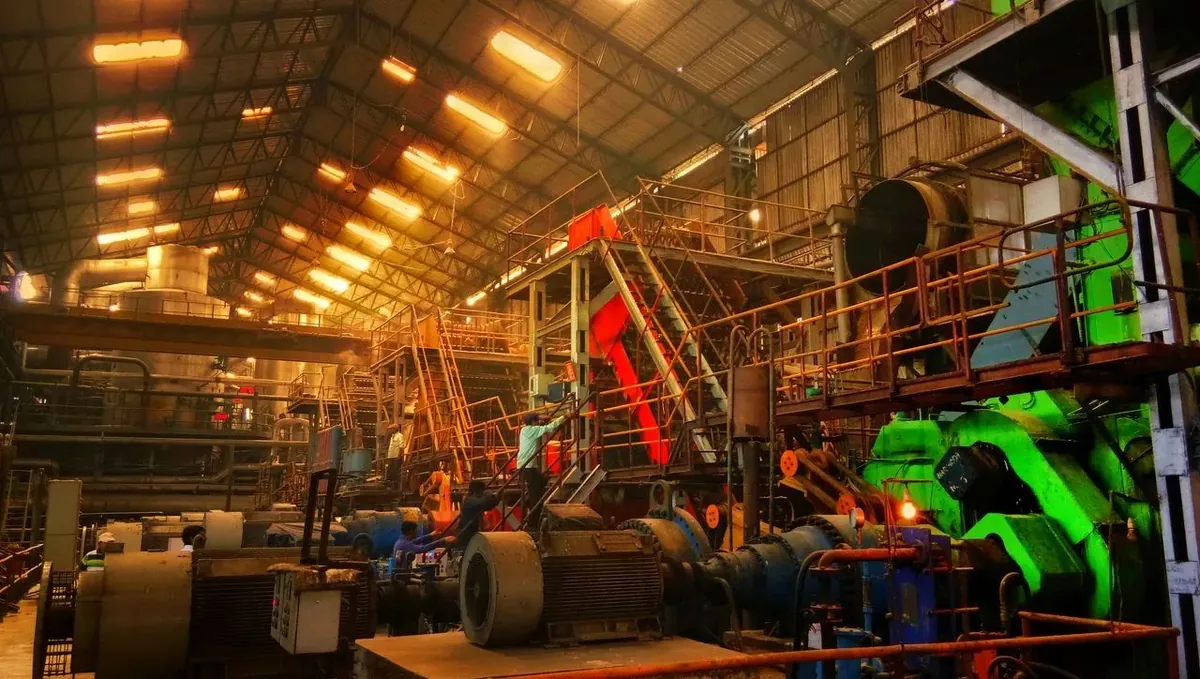
The new series is aimed at electric boosting in container and packaging glass furnaces, medium-borosilicate pharmaceutical glass furnaces, photovoltaic and electronic glass melting, electric melting and fiber forming in ceramic fiber and rock wool resistance furnaces, glass fiber tank furnaces, rare-earth molten salt electrolysis and crystal growth heating. Customers can complete electrode selection in a single step when expanding or upgrading a line.
Sample testing and enquiries
Samples in standard sizes are available (1-2 pieces per company, freight collect, subject to the sample trial plan), so the fit can be verified on your own line before volume adoption.
Frequently asked questions
Which upgrade in the new molybdenum electrode series is most easily overlooked?
Batch consistency: inspection from incoming raw material through to finished goods, so deliveries are stable and traceable. Denser microstructure: optimized manufacturing gives a more uniform electrode structure, improving thermal shock resistance and melt corrosion resistance together.
Where are molybdenum electrodes typically used?
The new series is aimed at electric boosting in container and packaging glass furnaces, medium-borosilicate pharmaceutical glass furnaces, photovoltaic and electronic glass melting, electric melting and fiber forming in ceramic fiber and rock wool resistance furnaces, glass fiber tank furnaces, rare-earth molten salt electrolysis and crystal growth heating. Customers can complete electrode selection in a single step when expanding or upgrading a line.
Note: this article shares general industry and technical information and is not purchasing, investment or legal advice. Specific parameters and results are governed by the mutual technical agreement and factory inspection records.
Related products
Electrodes and high-temperature molybdenum parts for this duty — specifications and selection notes are on the product pages.
Product information

Glass melting furnace molybdenum electrode
For electric boosting and all-electric melting of container, packaging, pharmaceutical, photovoltaic and electronic glass, compatible with mainstream refractories and furnace designs.
View specifications →
Rare-earth electrolysis molybdenum electrode
For high-temperature molten-salt electrolysis of rare-earth metals; good conductivity, molten-salt erosion resistance and stable cell operation.
View specifications →
Fiberglass tank furnace molybdenum electrode
For electric boosting in fiberglass tank furnaces; supports bushing drawing with steadier melting and fiber quality.
View specifications →