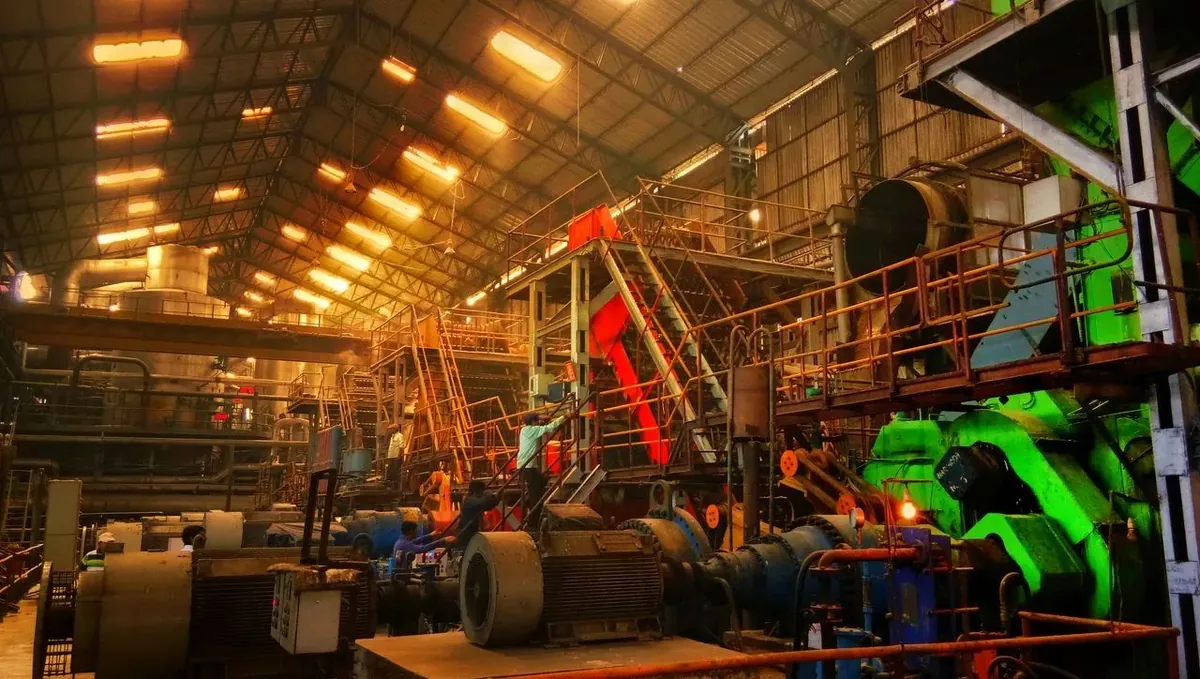
WeiBeam Hosts Glass Electric Melting Technical Seminar on the Future of Furnace Design
WeiBeam · Electrode solutions for high-temperature melting
In 2026, WeiBeam hosted a glass electric melting technical seminar, inviting glass producers, design institutes and furnace engineering experts to discuss all-electric melting adoption, electric boosting conversions and electrode selection and maintenance, and the path to energy saving and carbon reduction in furnaces.
In autumn 2026, the glass electric melting technical seminar hosted by the company took place. The meeting brought together technical leaders from tableware glass and specialty glass producers, furnace specialists from several design institutes and industry society experts for a day-and-a-half exchange on engineering applications of electric melting and electric boosting. As an electrode manufacturer, the company wanted this platform to put experience from both supply and demand sides together and discuss the real issues in furnace electrification.
Topic one: where all-electric melting applies
Participating experts agreed that the advantages of all-electric furnaces in emissions control, thermal efficiency and glass quality are widely recognized, but the furnace types and scales suitable for wider adoption are still accumulating case evidence. Discussion centered on matching transformer capacity, the conductivity window of the batch and the geometry of the melting tank. Several company representatives noted that all-electric melting is not a simple fuel substitution but a system engineering exercise from batch to process regime, requiring integrated design of electrodes, refractories and control strategy.
Topic two: common pitfalls in electric boosting conversions
- Electrode layouts copied from overseas drawings without matching local batch conductivity, limiting power ramp-up;
- Insufficient design margin in water-cooled wall penetration and insulation structures, with interface problems surfacing concentrated after several years of operation;
- Poorly scheduled windows for electrode replacement and hot repair, affecting total furnace campaign life;
- Power supply systems mismatched to melting rate targets, so installed power cannot be fully utilized after conversion.
Topic three: electrode selection and maintenance
The company's technical lead shared wear data and failure analysis cases for molybdenum electrodes in different glass batches, and recommended selecting materials by current density zone and building inventory strategies around replacement cycles. Representatives discussed the link between electrode life and power consumption and improvements to water-cooled end structures with keen interest, and several companies arranged follow-up technical exchanges on the spot.

| Item reviewed | Values and notes |
|---|---|
| Suitable process | All-electric and electric boosting glass furnaces |
| Applicable standards | YS/T 1312-2019, Molybdenum Electrodes; molybdenum rods per ASTM B387 / GB/T 17792; molybdenum plate and discs per ASTM B386 / GB/T 3876 |
| Working current density | 1–3 A/cm² |
Consensus and outlook
The seminar reached a broad consensus: with both the energy mix and environmental requirements changing, electrification of glass furnaces will keep advancing, and coordinated experience across supply and demand matters more than any single technical breakthrough. WeiBeam.com plans to make this seminar an annual event, creating an open forum for glass melting and working with the industry to make the engineering details of electric melting technology solid. After the meeting, the company compiled the molybdenum electrode selection and maintenance questions raised into a technical Q&A to share with participating companies. The industry generally believes the pace of technology iteration for molybdenum electrodes and electric melting furnaces is accelerating, and only by putting furnace condition data and electrode experience on the same table can glass furnace electrification be truly efficient and stable. WeiBeam.com will continue to take part in this kind of industry co-creation so electrode support keeps pace with electric melting technology.
Frequently asked questions
What does molybdenum electrode selection and maintenance cover?
The company's technical lead shared wear data and failure analysis cases for molybdenum electrodes in different glass batches, and recommended selecting materials by current density zone and building inventory strategies around replacement cycles.
What are the common pitfalls in electric boosting conversions?
Power supply systems mismatched to melting rate targets, so installed power cannot be fully utilized after conversion. Electrode layouts copied from overseas drawings without matching local batch conductivity, limiting power ramp-up.
Where do the consensus and outlook go from here?
The seminar reached a broad consensus: with both the energy mix and environmental requirements changing, electrification of glass furnaces will keep advancing, and coordinated experience across supply and demand matters more than any single technical breakthrough.
Note: this article shares general industry and technical information and is not purchasing, investment or legal advice. Specific parameters and results are governed by the mutual technical agreement and factory inspection records.
Related products
Electrodes and high-temperature molybdenum parts for this duty — specifications and selection notes are on the product pages.
Product information

Glass melting furnace molybdenum electrode
For electric boosting and all-electric melting of container, packaging, pharmaceutical, photovoltaic and electronic glass, compatible with mainstream refractories and furnace designs.
View specifications →
Molybdenum disc
Circular sheet made from high-purity molybdenum powder by powder metallurgy and rolling; used for furnace heating elements, heat shields, boats and sputtering targets.
View specifications →
Molybdenum rod and shaft
Rod and shaft diameters beyond wire: Ø0.5–25mm drawn or swaged shafts and Ø16–300mm forged or sintered rods, for vacuum electronics, guide rods, electrodes and heating elements.
View specifications →