Recycled Molybdenum Supply Increases as Collection Channels Become More Standardized
WeiBeam · Electrode solutions for high-temperature melting
Supply of recycled molybdenum material has increased and collection channels are gradually being standardized. The article analyzes changes in scrap classification, pricing basis and flow management, and explains what user facilities should watch for at handover.
As recycling awareness and processing capacity grow, supply of recycled molybdenum material has risen. Compared with a few years ago, collection channels are better standardized, and practices for classification, weighing and flow records have gradually taken shape. For user facilities, this means scrap disposal is moving from "find someone to haul it away" to "hand over according to procedure".
Classification Determines Downstream Value
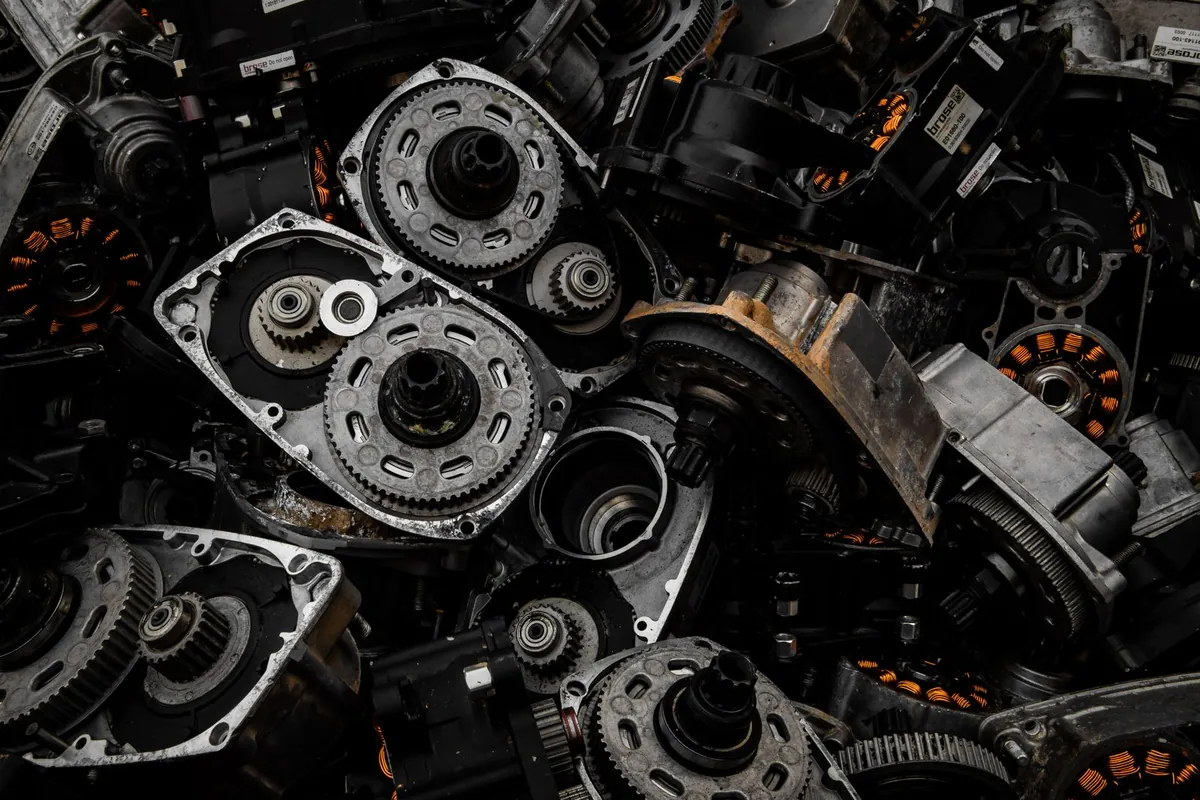
Spent molybdenum material comes in very different forms: complete electrodes, broken sections, machining chips and residues with adhering material all follow different processing routes. The clearer the upfront classification, the lower the loss in subsequent melting or remanufacturing and the better the basis for pricing. Mixed batches save effort, but they are often discounted as a whole at the pricing stage.
Pricing Basis Is Becoming More Transparent
A common pricing method converts on net weight and grade, and adhering material and oxidation level affect the conversion ratio. Standard practice is to agree the weighing method, sampling method and conversion basis before handover and to write the result into the documents. Once the basis is transparent, price disputes between the two sides fall noticeably.
Flow Record Requirements
Some companies, for environmental and asset-management reasons, require the collector to provide a processing statement and handover evidence. User facilities should retain classification records, weighing photos and handover documents to form a complete chain. For cross-region transport, packaging and marking must also meet transport requirements.
| Item | Parameter notes |
|---|---|
| Material and purity | Pure molybdenum / lanthanum-doped molybdenum / TZM available; Mo content ≥99.95% |
| Common specifications | Rod diameter Φ20–100mm, length 150–1500mm (custom sizes available to drawing) |
| Applicable standards | YS/T 1312-2019 Molybdenum Electrodes; molybdenum rods per ASTM B387 / GB/T 17792, molybdenum plates and discs per ASTM B386 / GB/T 3876 |
| Operating current density | 1–3A/cm² |
| Quality documentation | Factory inspection covers composition, density, metallography, ultrasonic testing and dimensional tolerance; a quality certificate accompanies each shipment and batches are traceable |
Recommendations for User Facilities
First mark out a temporary storage area and separate the stacks by grade and condition; then weigh, photograph and register by batch; finally check together with the collector before handover. For larger quantities, work in batches to avoid pile-up on site. For specific classification and packing practice, see the recycling feature article on this site.
It should be noted that the quality of recycled material depends on upfront classification and processing technology. When choosing a collection channel, user facilities should look beyond price and also consider processing capability and whether records are complete, so as to avoid later management costs caused by an unclear destination.
For operational detail on classifying spent electrodes, see the article on sorting and packing used molybdenum electrodes before recycling; you may also return to the electrode manufacturer home page.
Frequently asked questions
How should user facilities put the operating recommendations into practice?
It should be noted that the quality of recycled material depends on upfront classification and processing technology. When choosing a collection channel, user facilities should look beyond price and also consider processing capability and whether records are complete, so as to avoid later management costs caused by an unclear destination.
What is the value of classification for continuous production?
The clearer the upfront classification, the lower the loss in subsequent melting or remanufacturing and the better the basis for pricing. Mixed batches save effort, but they are often discounted as a whole at the pricing stage.
What exactly does a more transparent pricing basis cover?
Once the basis is transparent, price disputes between the two sides fall noticeably. A common pricing method converts on net weight and grade, and adhering material and oxidation level affect the conversion ratio.
Note: this article shares general industry and technical information and is not purchasing, investment or legal advice. Specific parameters and results are governed by the mutual technical agreement and factory inspection records.
Related products
Electrodes and high-temperature molybdenum parts for this duty — specifications and selection notes are on the product pages.
Product information

Molybdenum disc
Circular sheet made from high-purity molybdenum powder by powder metallurgy and rolling; used for furnace heating elements, heat shields, boats and sputtering targets.
View specifications →
Molybdenum rod and shaft
Rod and shaft diameters beyond wire: Ø0.5–25mm drawn or swaged shafts and Ø16–300mm forged or sintered rods, for vacuum electronics, guide rods, electrodes and heating elements.
View specifications →
Glass melting furnace molybdenum electrode
For electric boosting and all-electric melting of container, packaging, pharmaceutical, photovoltaic and electronic glass, compatible with mainstream refractories and furnace designs.
View specifications →