MoWeiBeamMolybdenum Electrodes
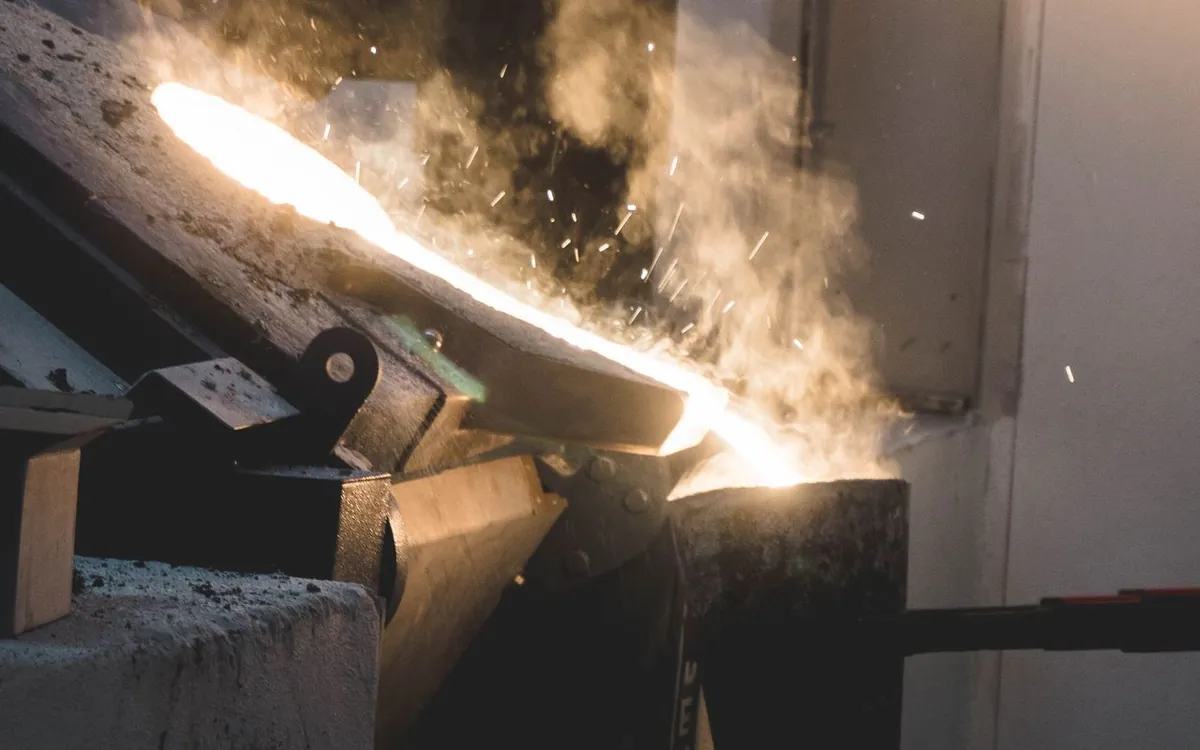
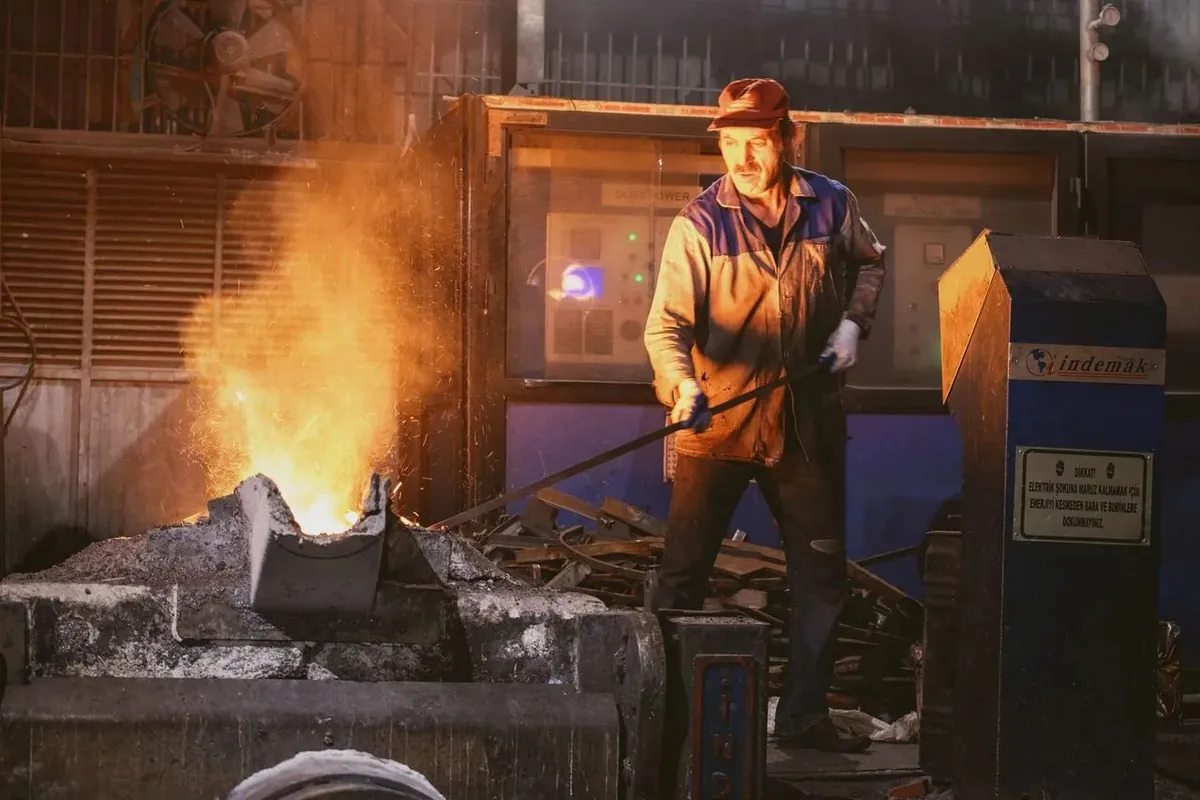
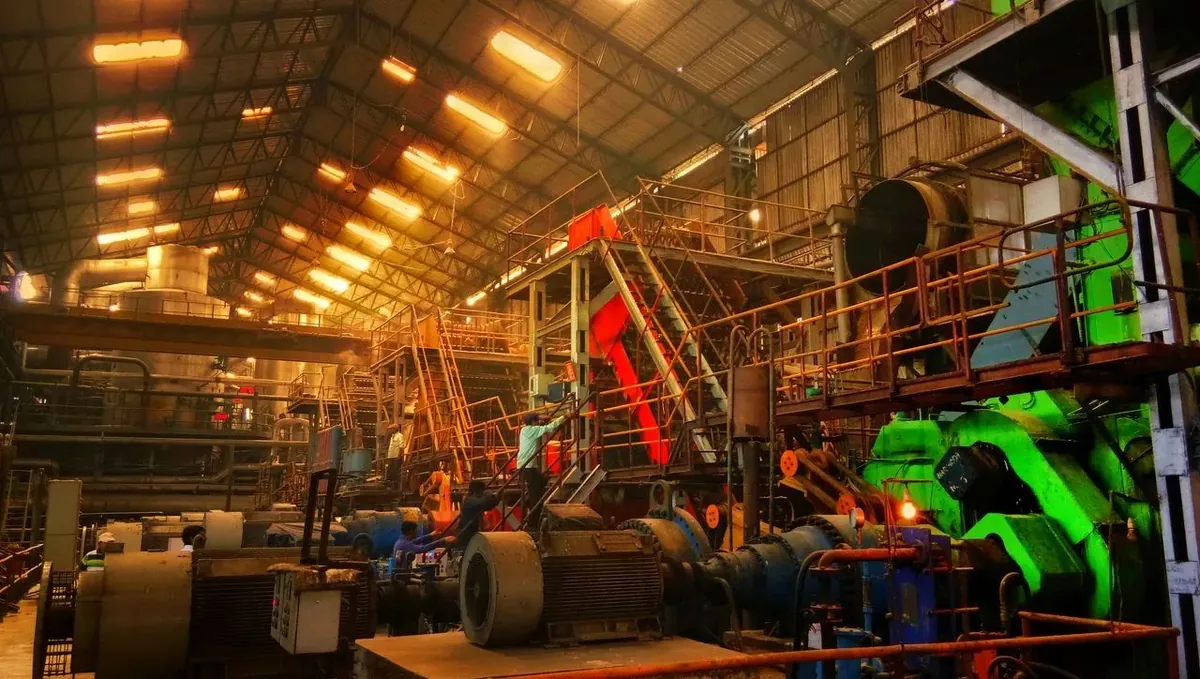
Metallurgical production floor

Industry news

Follow developments, technical notes and application practice for molybdenum electrodes, covering company updates, industry trends, technical reference and regional applications.

WeiBeam · Electrode solutions for high-temperature melting

Categories

Latest articles

Selecting Flaw Detection Methods for Molybdenum Electrodes
Technical Encyclopedia
Selecting Flaw Detection Methods for Molybdenum Electrodes

Internal porosity and cracks are found by ultrasonic testing, surface-breaking defects by penetrant and eddy current testing, and overall soundness is checked by the density method. Each technique has different capability limits, and only combining them by defect type and process stage intercepts defects effectively. This article reviews the principles, applicable defects and acceptance coordination of each method.
Molybdenum's Thermal Expansion Coefficient and the Thermal Stress Advantage of Electrodes
Technical Encyclopedia
Molybdenum's Thermal Expansion Coefficient and the Thermal Stress Advantage of Electrodes

Molybdenum has a thermal expansion coefficient of about 5.25×10⁻⁶/°C, and together with its high thermal conductivity this keeps the differential stress on electrodes low during heating, cooling and power fluctuations. Starting from the thermal stress relationship, this article explains the value of low expansion for wall penetration seals and transition sections, and sets out the constraints that installation and heat-up procedures must respect.

Molybdenum Electrode Selection and Supply in Jiangsu: A Dual-Engine Guide for Photovoltaic Glass and Fiberglass
Regional Guides
Molybdenum Electrode Selection and Supply in Jiangsu: A Dual-Engine Guide for Photovoltaic Glass and Fiberglass

Float glass and photovoltaic glass each account for roughly half of Jiangsu's capacity, and electrode consumption intensity is high. This article examines the large-furnace configurations in Suqian, Nantong and Zhangjiagang, the pulsed demand created by alternating cold repairs and start-ups, the consumption gap between southern and northern Jiangsu, and offers cost structure, logistics lead times and line-by-line stocking guidance for procurement reference.

Standard Installation Procedure and Precautions for Molybdenum Electrodes
Technical Encyclopedia
Standard Installation Procedure and Precautions for Molybdenum Electrodes

The same batch of molybdenum electrodes can differ by months in service life on different furnaces, and the gap is often already fixed at installation. This article sets out the standard sequence from technical preparation, unboxing re-inspection, handling, assembly, tightening, cooling and insulation checks, staged energization and first-month monitoring, with reference values for key control points, a table of common errors and their consequences, and three installation case reviews.

Molybdenum Electrode Breakage: Cause Analysis and Prevention
Technical Encyclopedia
Molybdenum Electrode Breakage: Cause Analysis and Prevention

Broken electrodes are among the more troublesome sudden failures in electric melting furnaces. This article classifies fractures into six types: thermal stress, oxidation notching, mechanical load, structural embrittlement, original defects and electrical damage. It gives fracture features, diagnosis methods and matching preventive measures, plus a precursor inspection table and a post-breakage response procedure, and reviews three typical breakage cases.

Machining and Grinding Essentials for Molybdenum Electrodes
Technical Encyclopedia
Machining and Grinding Essentials for Molybdenum Electrodes

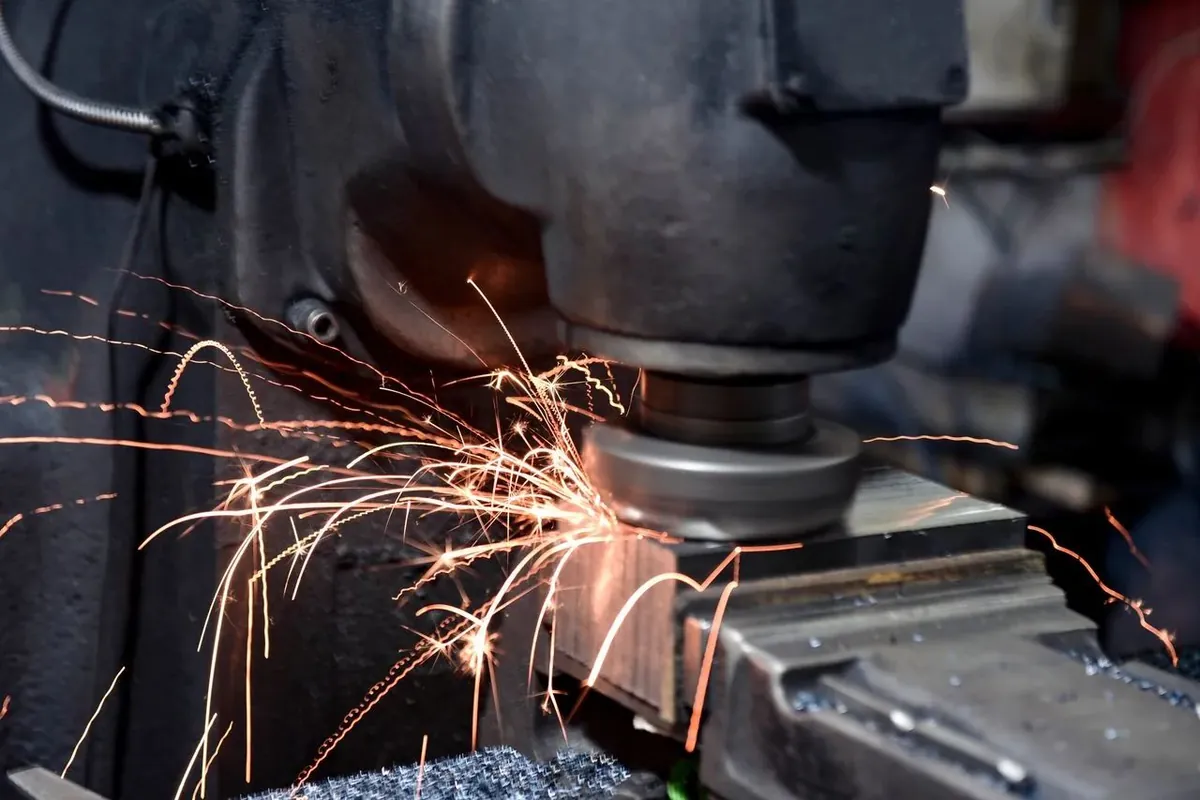
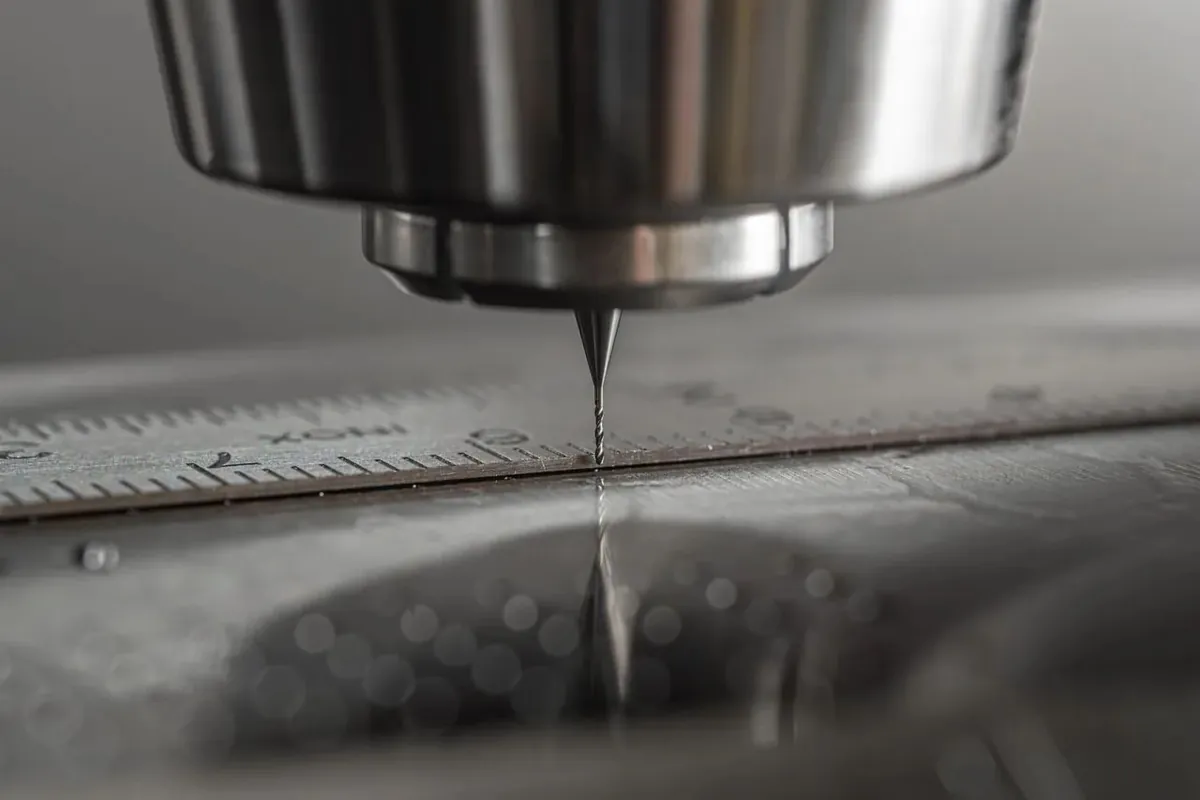
Molybdenum is reasonably machinable in the annealed state but prone to edge chipping and burn in the recrystallized and high-hardness states. Tool selection, cutting parameters, cooling and lubrication, and grinding wheel matching determine surface quality, which directly governs the initial corrosion site density after charging. This article gives a checklist of process essentials for machining and grinding.

Molybdenum Crucible Recycling and Remanufacturing: Process, Boundaries and Traceability
Industry News
Molybdenum Crucible Recycling and Remanufacturing: Process, Boundaries and Traceability

Spent molybdenum crucibles still carry material value, but recycling is not the same as remelting. This article sets out grading criteria based on service history and external condition, explains the sequence and risks of mechanical cleaning, alkaline and acid washing and sampling analysis, uses comparison tables to separate remanufacturing from remelting, and covers traceability from goods receipt to re-dispatch and the economics, so shops can set their own rules.

How to Assess the Remaining Service Life of Molybdenum Electrodes
Technical Encyclopedia
How to Assess the Remaining Service Life of Molybdenum Electrodes

Assessing the remaining life of a molybdenum electrode means turning diameter loss, electrical drift and inspection records into a trend line and anchoring it to the weakest section, such as the melt line or a joint. This article gives worked examples of loss rate and remaining life, electrical criteria, a combination of inspection methods, condition grading, safety margins and how to set the replacement window.

How to Account for Carbon Reduction in Electric Melting
Industry News
How to Account for Carbon Reduction in Electric Melting

When comparing the carbon emissions of flame melting and electric melting, the conclusion often depends on the accounting boundary. This article breaks down how combustion-side and electricity-side emissions are booked, why certified output should be the denominator, and how the power mix changes the scenario, and lists items that are easily missed, such as furnace heat storage, power supply losses and auxiliary systems, so that companies can align their basis before a project review.

Crucible Options for Melting Optical Coating Materials
Industry News
Crucible Options for Melting Optical Coating Materials

Coating materials such as niobium oxide and titanium oxide place specific demands on crucible chemical stability, wettability and contamination control during melting and evaporation. This article lists those requirements, sets out the applicable boundaries and limitations of molybdenum crucibles, compares molybdenum, graphite, ceramic and tungsten crucibles in a table, and describes a small-batch trial and evaluation method.

TZM Molybdenum Alloy Electrodes: Properties and Applications
Technical Encyclopedia
TZM Molybdenum Alloy Electrodes: Properties and Applications

TZM is a molybdenum alloy micro-alloyed with titanium, zirconium and carbon; a dispersed carbide phase pins the grain boundaries, giving it a recrystallization temperature and high-temperature creep resistance well above pure molybdenum, which suits long overhanging, heavily loaded electrode sections. This article explains the composition design logic, the key performance differences and the points to watch in machining and service.

Selecting Molybdenum Crucibles for Vacuum Sintering Furnaces
Industry News
Selecting Molybdenum Crucibles for Vacuum Sintering Furnaces

The process window of vacuum sintering is narrow, and if a crucible is chosen only on the basis of what fits inside, the margin is often found to be insufficient when the sintering curve is adjusted later. This article sets out the selection steps in order of temperature, charge weight, wall thickness and bottom support, and handling method, and explains how vacuum level and setter material affect performance, giving an executable selection sequence.

Recrystallization Temperature of Molybdenum and Its Relationship with Electrode Performance
Technical Encyclopedia
Recrystallization Temperature of Molybdenum and Its Relationship with Electrode Performance

Recrystallization temperature is the key to understanding how molybdenum electrodes behave at high temperature. Pure molybdenum recrystallizes roughly between 1090 and 1350 °C, while the electrode working section usually stays above that range for long periods, which brings a fall in strength, grain growth and embrittlement. This article explains how this microstructural evolution affects electrode life and deformation, and gives material selection and operating responses.

Energy Consumption Points in Molybdenum Electrode Production and Efficiency Upgrades
Industry News
Energy Consumption Points in Molybdenum Electrode Production and Efficiency Upgrades

Energy consumption from powder to finished molybdenum electrode is unevenly distributed. This article breaks down the consuming points across pressing, sintering, forging, annealing, machining and auxiliary systems, analyzes how furnace load and heating curve, furnace insulation, waste heat recovery, load shifting and submetering affect specific consumption, and recommends an upgrade sequence of metering first, operating adjustments second and equipment replacement last.

Ceramic Fiber Export Mix Shifts, with High-Temperature Insulation Materials Accelerating Their Overseas Push
Industry News
Ceramic Fiber Export Mix Shifts, with High-Temperature Insulation Materials Accelerating Their Overseas Push

In 2026 China's ceramic fiber exports continued to grow, with the product mix upgrading from standard blanket to zirconia-containing, high-purity and polycrystalline mullite materials and markets expanding into Southeast Asia, the Middle East and other emerging regions. Downstream industrial furnace construction is also carrying molybdenum electrode packages overseas.

Tighter Total Volume Quota Control on Rare Earth Mining and Smelting Drives Electrolysis Upgrades
Industry News
Tighter Total Volume Quota Control on Rare Earth Mining and Smelting Drives Electrolysis Upgrades

With rare earth mining and smelting total volume quotas under unified management, the industry focus has shifted from capacity expansion to greener and smarter operations, and upgrades of molten salt electrolysis cells have accelerated. This article analyzes the relationship between larger cell types, current efficiency and electrode life, and explains how molybdenum electrodes perform in fluoride molten salts and what to consider when selecting them.

The Policy Framework Behind Industrial Kiln Electrification
Industry News
The Policy Framework Behind Industrial Kiln Electrification

Policy requirements for industrial kiln electrification run along three threads: energy, energy efficiency and the environment. Titles and numbers change; the direction holds. This article sets out those layers and the local emission conditions, power supply capacity and safety and fire protection items to verify before a retrofit, and notes that electrification is not just replacing the heating equipment: kiln pressure, temperature regime and refractories must be adjusted together.

283 articles · Page 11 of 12