MoWeiBeamMolybdenum Electrodes
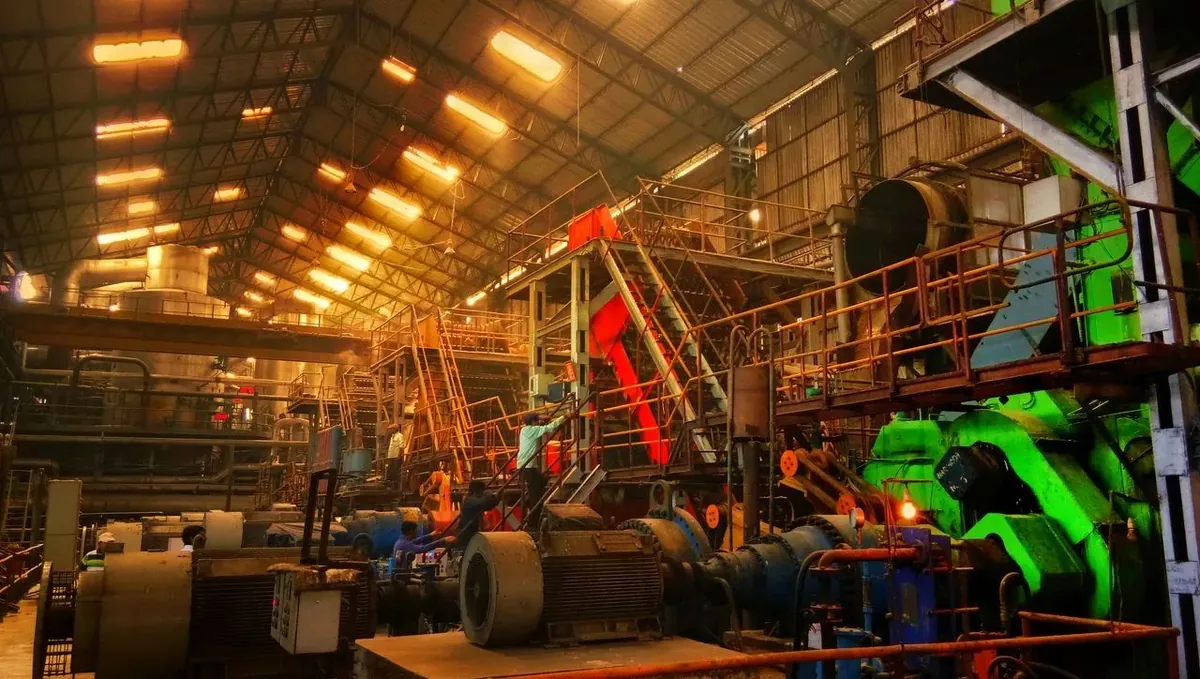
Metallurgical production floor

Industry news

Follow developments, technical notes and application practice for molybdenum electrodes, covering company updates, industry trends, technical reference and regional applications.

WeiBeam · Electrode solutions for high-temperature melting

Categories

Latest articles

Shutdown and Cooling Curves for Molybdenum Electrode Replacement
Technical Encyclopedia
Shutdown and Cooling Curves for Molybdenum Electrode Replacement

Electrode replacement is less about dismantling than about the cooling rhythm. This article explains when a replacement should be scheduled, sets out the principle of a fast-then-slow cooling curve with holds in critical ranges, analyzes the risk of brickwork cracking and the electrode seizing in glass when cooling is rushed, and lists step-by-step checks before the job and precautions for reheating.

Arc Control During the Start-Up Melting Stage of Molybdenum Electrodes
Technical Encyclopedia
Arc Control During the Start-Up Melting Stage of Molybdenum Electrodes

When a cold furnace is started, contact between the molybdenum electrode and the molten glass is insufficient, and arcing readily occurs at the end face and near the melt line. This article analyzes the causes of arcing and the forms of damage it inflicts on the electrode surface, and sets out staged current ramping, control of melt coverage, fixed observation positions and an order of response for abnormal conditions, to help the shop floor keep start-up arcing within an acceptable range.

Thermal Matching Between Electrodes and Kiln Refractories
Technical Encyclopedia
Thermal Matching Between Electrodes and Kiln Refractories

Cracking and melt leakage around the electrode hole often stem from molybdenum and the refractory expanding out of step during heat-up. This article compares the expansion behavior of the two material groups, explains how hole diameter, installation clearance and seal design are determined, and shows how the heat-up schedule should slow through critical temperature ranges to limit thermal stress and hole-wall cracking.

Sapphire Crystal Growth Furnaces: Molybdenum Crucible and Hot-Zone Consumption in Kyropoulos and Heat-Exchange Routes
Application Guides
Sapphire Crystal Growth Furnaces: Molybdenum Crucible and Hot-Zone Consumption in Kyropoulos and Heat-Exchange Routes

Sapphire furnaces buy a complete hot zone rather than a single part. This article compares crucible consumption, heat-shield deformation and their effect on the temperature gradient in the Kyropoulos and heat-exchange routes, sets out crucible dimensions and densification requirements, and proposes a spare-parts rhythm so procurement and maintenance plans can be split by furnace type.

Cleaning Glass Adhesion from Molybdenum Electrode Surfaces
Technical Encyclopedia
Cleaning Glass Adhesion from Molybdenum Electrode Surfaces

After shutdown, glass clinging to the electrode surface both impedes heat dissipation and alters current distribution. The article explains the conditions under which the deposit forms and where it appears, its effect on electrode temperature and effective conductive area, the scraping tools and working direction to use, the inspection requirements after cleaning, and the practices such as hammering and grinding that should be avoided.

Henan Molybdenum Electrodes: Molybdenum Resources Upstream, Glass Orders Midstream
Regional Guides
Henan Molybdenum Electrodes: Molybdenum Resources Upstream, Glass Orders Midstream

Henan's glass scale is moderate but its molybdenum processing base is deep, and electrode consumption spans glass and high-temperature processing. The article breaks down the category mix, compares furnace types in Luoyang and Ruyang with Anyang and Shangqiu, explains why finished electrodes still have to be sourced outside the province, and provides selection guidance, a reference cost structure, logistics lead times and annual framework stocking advice.

Molybdenum Electrodes for Rare Earth Molten-Salt Electrolysis: Fluoride Salt Corrosion and Conductor Bar Life Management
Application Guides
Molybdenum Electrodes for Rare Earth Molten-Salt Electrolysis: Fluoride Salt Corrosion and Conductor Bar Life Management

Fluoride molten-salt electrolysis combines high temperature, aggressive corrosion and high current. This article breaks molybdenum forms down by conductor bar, crucible and structural part, explains the causes of grain-boundary penetration, thermal-cycle cracking and interfacial corrosion, and gives the matching and acceptance points for larger cells.

Electrode Inspection Checklist for Furnace Cold Repair
Technical Encyclopedia
Electrode Inspection Checklist for Furnace Cold Repair

Cold repair is the chance to examine the electrode system in full. The article gives a checklist across six areas: appearance and dimensions, threaded connections, water-cooling jackets and seals, electrode-opening brickwork, the power supply circuit and spare parts. It explains marking positions before withdrawal, applying the specified torque at reinstallation, and filing findings under immediate action or continued observation.

Handling and Downgraded Use of Oxidized Molybdenum Electrodes
Technical Encyclopedia
Handling and Downgraded Use of Oxidized Molybdenum Electrodes

Discoloration of the electrode surface does not mean scrap, but neither should it simply be ground and reused. The article distinguishes surface oxidation from in-service erosion by appearance, describes how diameter measurement at several cross-sections is used to estimate reduction per side, sets out the requirements for grinding and re-inspection, and gives the boundary conditions and record-keeping for the three decisions of continued use, downgraded use and scrapping.

From Molybdenum Concentrate to Molybdenum Electrode: Cost Pass-Through Along the Supply Chain
Industry News
From Molybdenum Concentrate to Molybdenum Electrode: Cost Pass-Through Along the Supply Chain

Quotation gaps for molybdenum electrodes mostly come from chain losses between concentrate and finished product. This article explains the cost structure stage by stage, from concentrate pricing, roasting yield and powder reduction to billet route, sintering and machining yield, inspection and packing, with indicative cost shares and a loss-location comparison, plus four questions for breaking a quotation down.

Molybdenum Electrodes for Glass Fiber Tank Furnaces: Insulation and Power Matching Under High-Boron Formulations
Application Guides
Molybdenum Electrodes for Glass Fiber Tank Furnaces: Insulation and Power Matching Under High-Boron Formulations

E-glass melts at high temperature and has high melt resistivity, pushing the electrode challenge into the power supply and insulation system. This article maps the tank furnace molybdenum part list, the material boundary between high-temperature molybdenum and TZM, and two failure paths, grain-boundary penetration and current redistribution, as a reference for campaign-cycle purchasing.

283 articles · Page 3 of 12